Rehabilitative Pilates
in Peachtree City, GA

Continue your recovery and build strength with Pilates.

Giving Back

Finished Physical Therapy? Rehabilitative Pilates Is How You Keep Going.

When you're done with formal physical therapy but not done with the work, Rehabilitative Pilates is how you keep building. Clinical-grade movement with the same team, in the same space.
What is Rehabilitative Pilates?

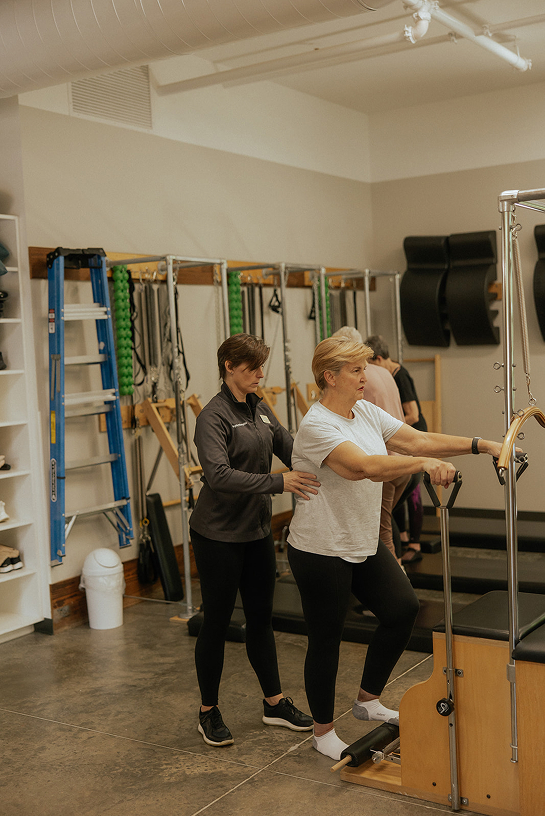
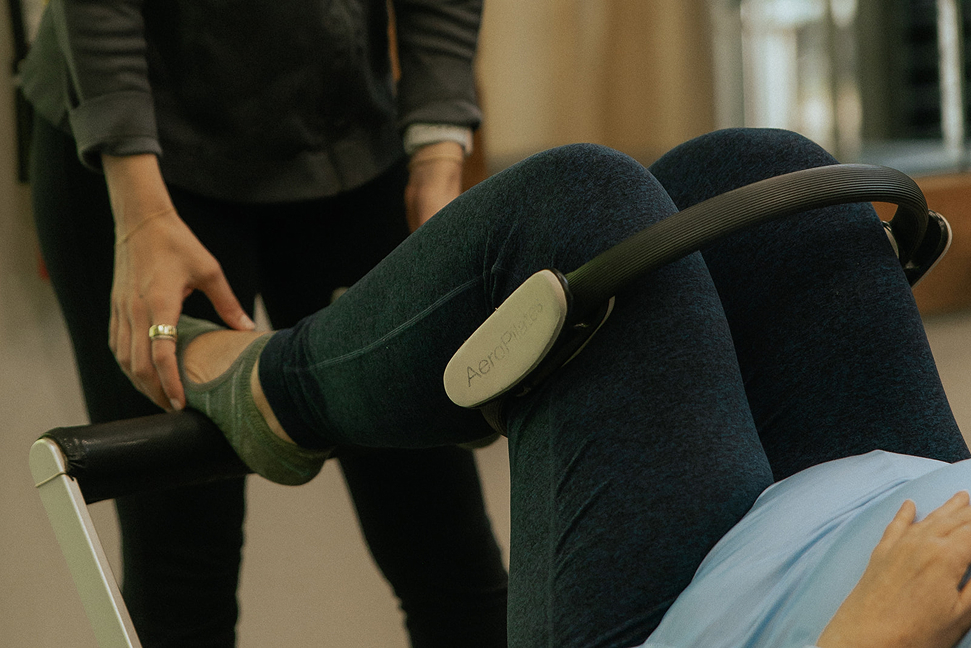
Rehabilitative Pilates is clinically supervised Pilates delivered by comprehensively trained Pilates teachers, several of whom hold physical therapy or advanced rehabilitative credentials. It's built specifically for clients living with a condition, an injury history, or a recent surgery.

What it isn't: a workout, a class, or a place to push through pain. Rehabilitative Pilates is a long-term movement practice that keeps your body strong and aware, under eyes that know what to look for.

A functional movement assessment is a structured evaluation that looks at how you move, not just where it hurts.

Your clinician tests specific patterns, identifies compensations, and maps the chain of dysfunction back to its source.

Then you build a plan that addresses the cause, not the symptom.

A functional movement assessment is a structured evaluation that looks at how you move, not just where it hurts.

Your clinician tests specific patterns, identifies compensations, and maps the chain of dysfunction back to its source.

Then you build a plan that addresses the cause, not the symptom.

Then you build a plan that addresses the cause, not the symptom.

Don't see your carrier? Call us to confirm. We work with most insurance networks and can walk you through your options.

Who is Rehabilitative Pilates For?

Functional movement is how your body performs the everyday actions of life: standing up, reaching overhead, walking down stairs, turning to look behind you. When those patterns break down, pain and injury follow. Often in places that seem unrelated to the actual cause.

Clients who have finished formal physical therapy and want to continue building strength and resilience

People living with chronic conditions (arthritis, osteoporosis, chronic back pain, scoliosis)

Post-surgical clients past active rehabilitation but still protecting the surgical site

Postpartum women building back core and pelvic floor function

Active adults over 50 who want clinical-grade attention without being in formal PT

Anyone whose body benefits from a movement practice with clinical oversight

The same teacher format week over week so you build a real practice, not just attend classes

Don't see your carrier? Call us to confirm. We work with most insurance networks and can walk you through your options.

How Rehabilitative Pilates Is Different from Regular Pilates

Rehabilitative Pilates is taught by comprehensively trained Pilates teachers with PT backgrounds or advanced rehabilitative training in communication with your PT team at ProHealth when appropriate.

Evaluation

Delivered in private or very small group format for hands-on correction

Physical Therapy

Informed by your medical history, surgical history, and any current conditions

Rehabilitative
Pilates

Emphasis on safe progression, joint protection, and long-term function

Long-Term
Strength

Support for lasting strength, better movement, and staying active for the long run.

Pilates Starter Package

Your first session is a 60-minute evaluation with a licensed physical therapist. Here's the flow:

Question text goes here

Lorem ipsum dolor sit amet, consectetur adipiscing elit. Suspendisse varius enim in eros elementum tristique. Duis cursus, mi quis viverra ornare, eros dolor interdum nulla, ut commodo diam libero vitae erat. Aenean faucibus nibh et justo cursus id rutrum lorem imperdiet. Nunc ut sem vitae risus tristique posuere.

Question text goes here

Lorem ipsum dolor sit amet, consectetur adipiscing elit. Suspendisse varius enim in eros elementum tristique. Duis cursus, mi quis viverra ornare, eros dolor interdum nulla, ut commodo diam libero vitae erat. Aenean faucibus nibh et justo cursus id rutrum lorem imperdiet. Nunc ut sem vitae risus tristique posuere.

Question text goes here

Lorem ipsum dolor sit amet, consectetur adipiscing elit. Suspendisse varius enim in eros elementum tristique. Duis cursus, mi quis viverra ornare, eros dolor interdum nulla, ut commodo diam libero vitae erat. Aenean faucibus nibh et justo cursus id rutrum lorem imperdiet. Nunc ut sem vitae risus tristique posuere.

Question text goes here

Lorem ipsum dolor sit amet, consectetur adipiscing elit. Suspendisse varius enim in eros elementum tristique. Duis cursus, mi quis viverra ornare, eros dolor interdum nulla, ut commodo diam libero vitae erat. Aenean faucibus nibh et justo cursus id rutrum lorem imperdiet. Nunc ut sem vitae risus tristique posuere.

What Is Functional Movement Therapy

Functional movement is how your body performs the everyday actions of life: standing up, reaching overhead, walking down stairs, turning to look behind you. When those patterns break down, pain and injury follow. Often in places that seem unrelated to the actual cause.

A functional movement assessment is a structured evaluation that looks at how you move, not just where it hurts.

Your clinician tests specific patterns, identifies compensations, and maps the chain of dysfunction back to its source.

Then you build a plan that addresses the cause, not the symptom.

A functional movement assessment is a structured evaluation that looks at how you move, not just where it hurts.

Your clinician tests specific patterns, identifies compensations, and maps the chain of dysfunction back to its source.

Then you build a plan that addresses the cause, not the symptom.

Then you build a plan that addresses the cause, not the symptom.

Don't see your carrier? Call us to confirm. We work with most insurance networks and can walk you through your options.

How It Connects to Your Physical Therapy Care

If you're currently an active PT patient, the service you want is Pilates-Based Rehabilitation, which is covered by insurance as part of your PT plan of care.

Once active PT ends, Rehabilitative Pilates becomes the continuation path. Same team. Same clinical standards. Same building. No starting over with a new provider who doesn't know your history.
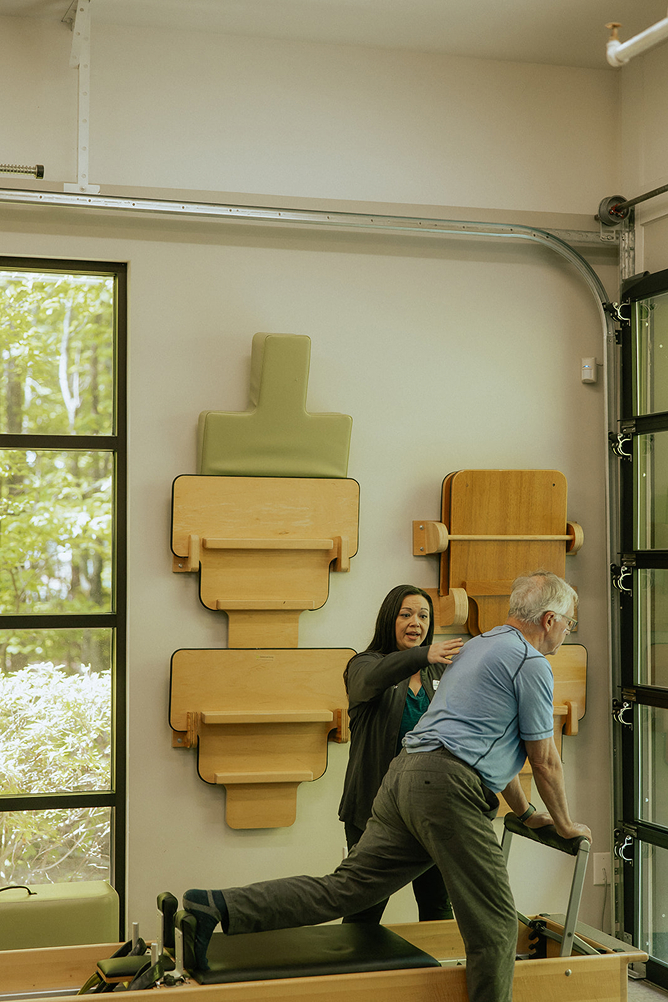
Small groups, intentionally capped, so you get real attention from your teacher

Comprehensively trained Pilates teachers (Polestar®, NCPT) with years of teaching experience

A clinical lens behind every class — modifications are expected, not unusual

The same teacher format week over week so you build a real practice, not just attend classes

The same teacher format week over week so you build a real practice, not just attend classes

The same teacher format week over week so you build a real practice, not just attend classes

The same teacher format week over week so you build a real practice, not just attend classes

Don't see your carrier? Call us to confirm. We work with most insurance networks and can walk you through your options.

Conditions We Support in Rehabilitative Pilates

Whether referred by a doctor or not quite sure what's wrong yet — this is a good place to start. Many times, no referral is necessary.
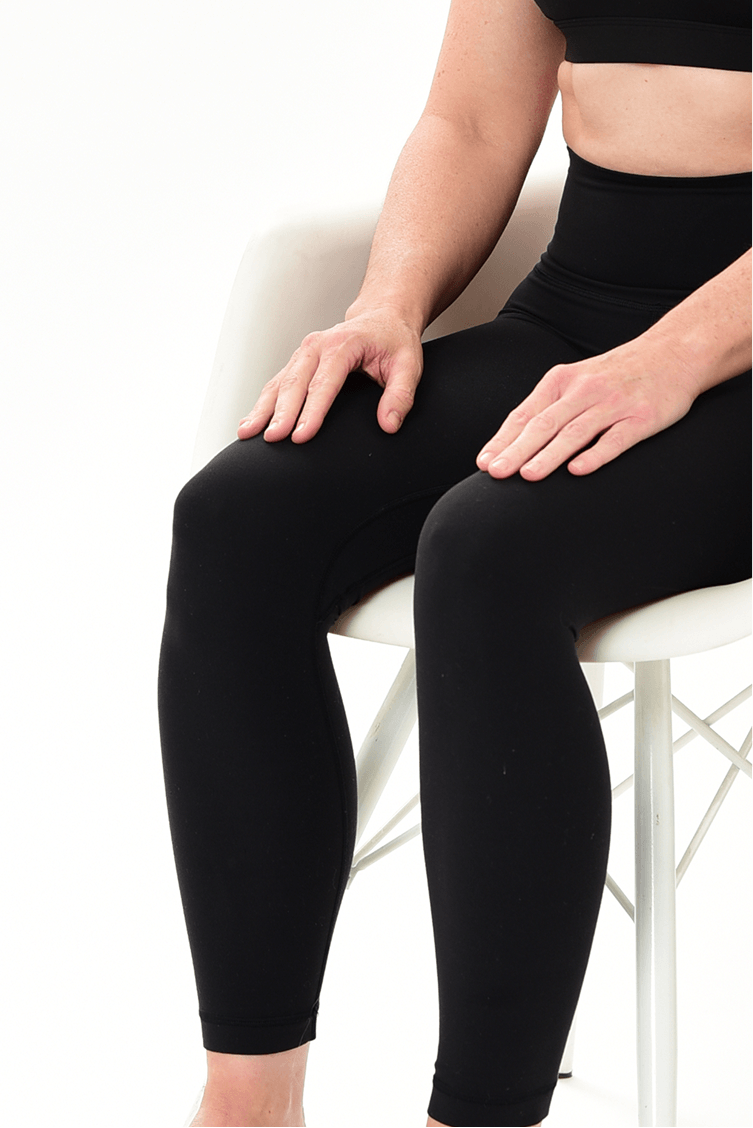
See All Conditions

Arthritis

Auto Accident Injury

Back Pain & Sciatica
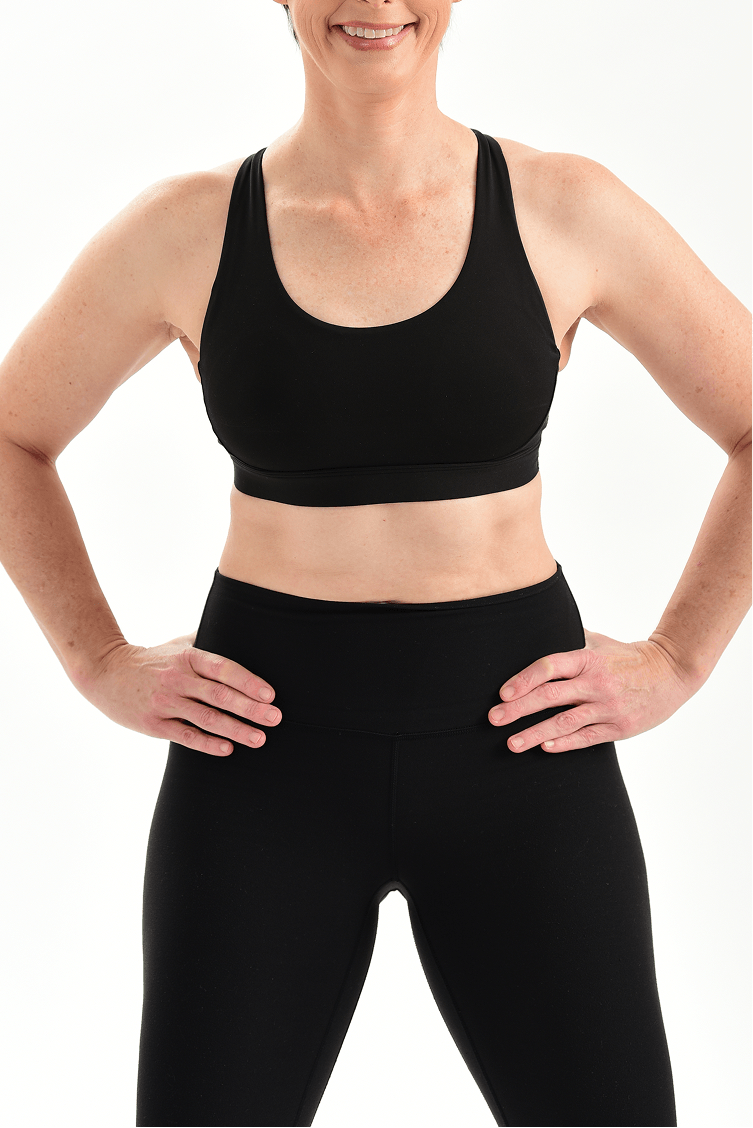
Balance and Gait Disorders
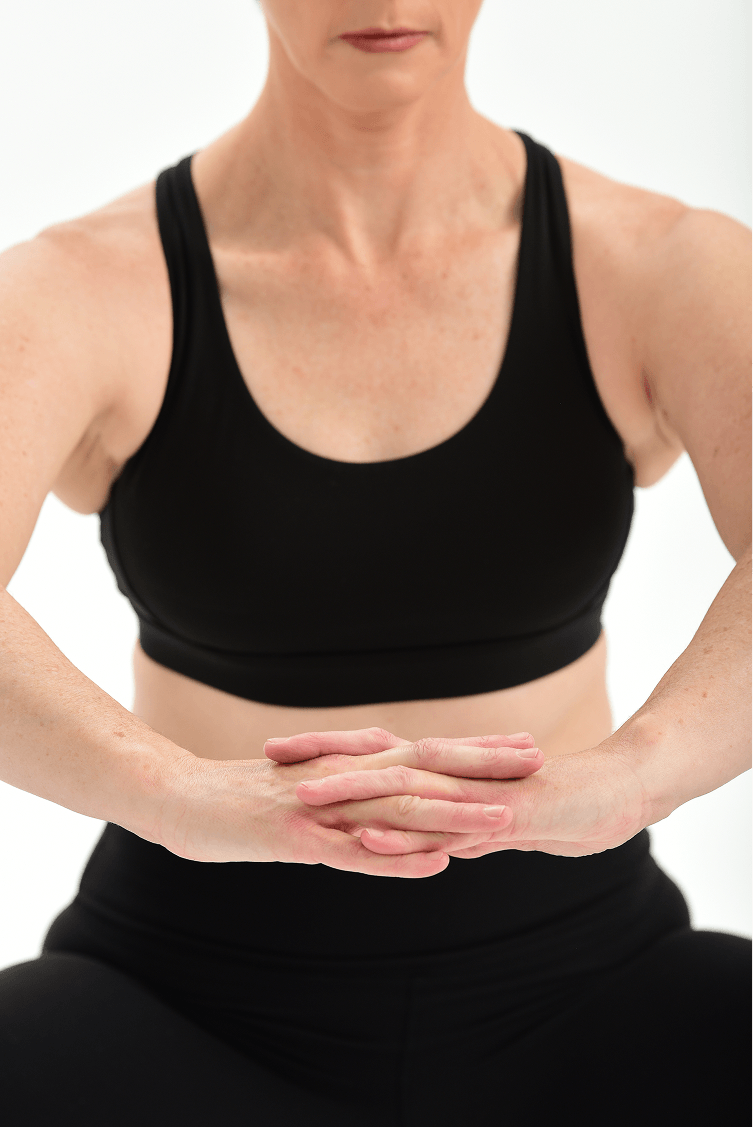
Chronic Pain
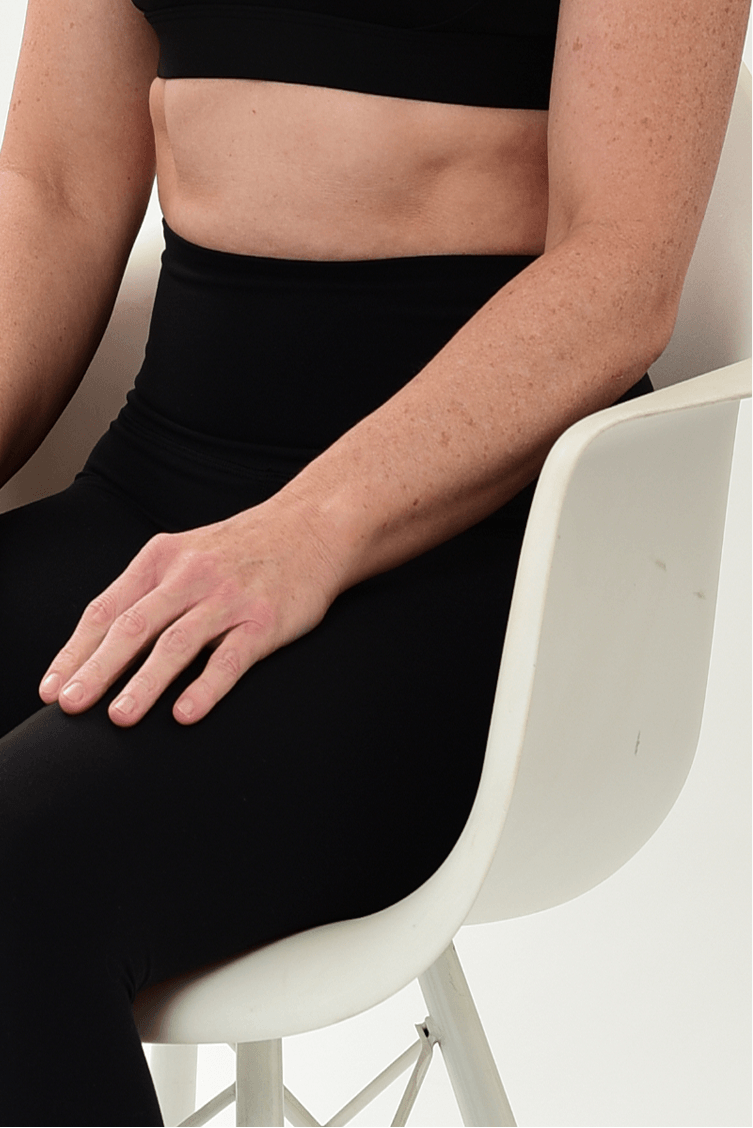
Elbow, Wrist Pain
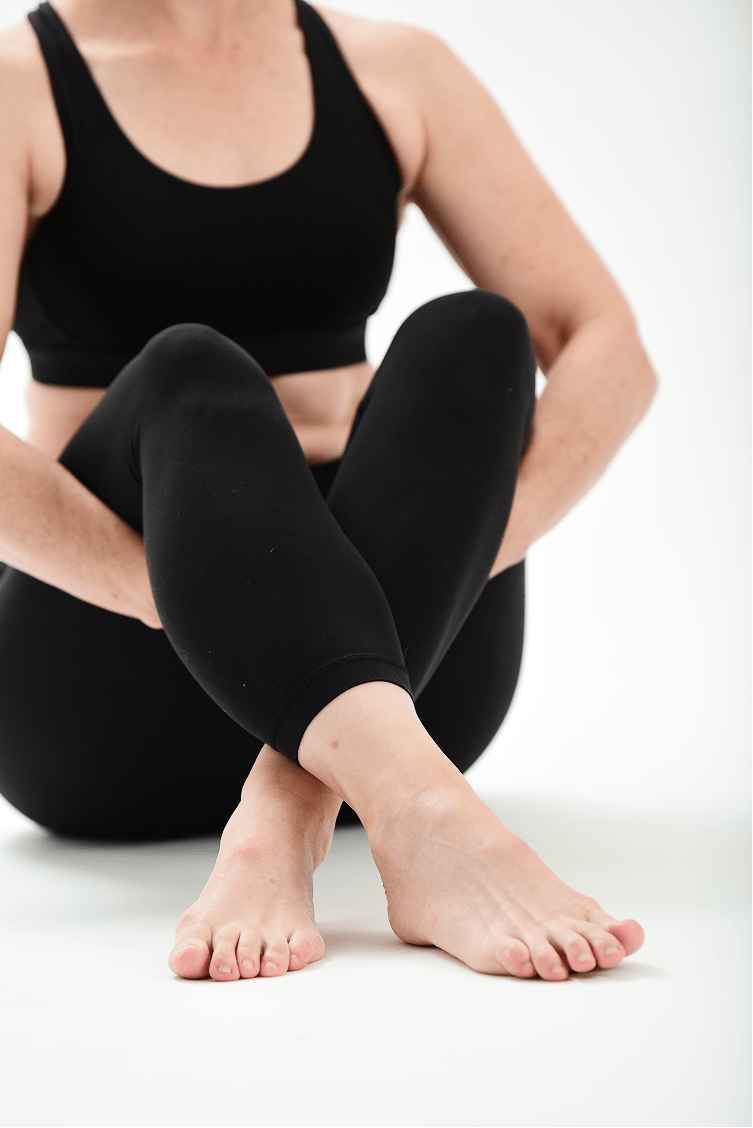
Foot and Ankle Pain
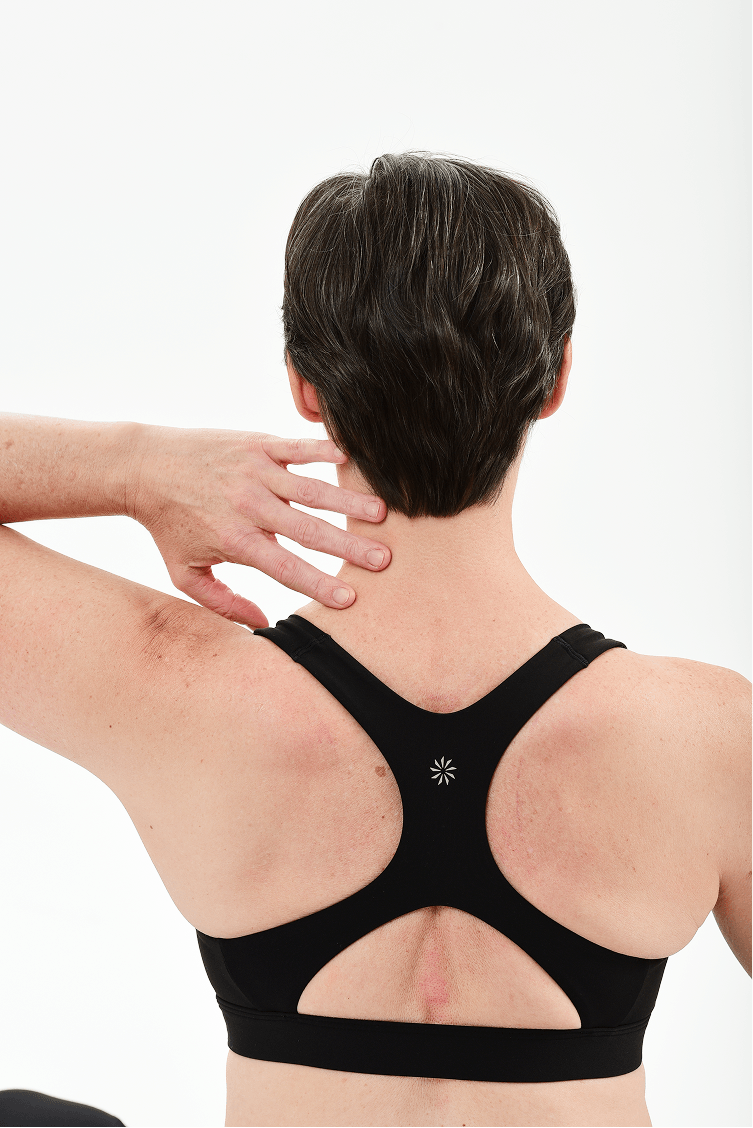
Headaches & Migraines

Hip and Knee Pain
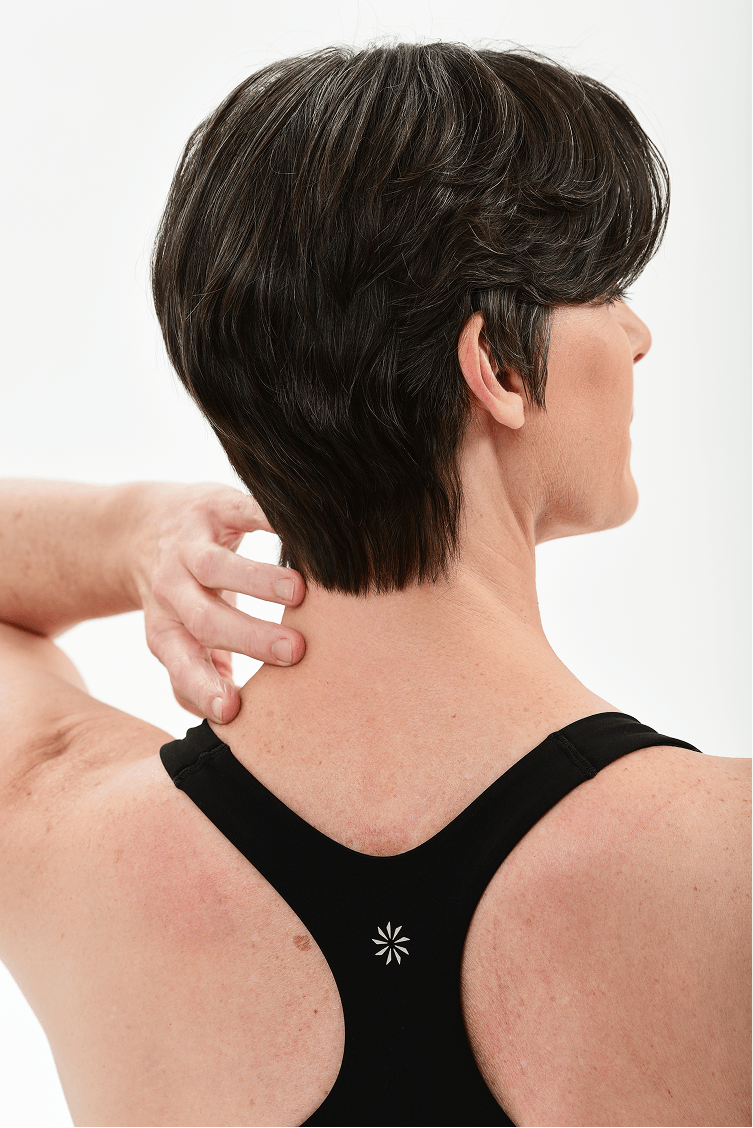
Neck Pain
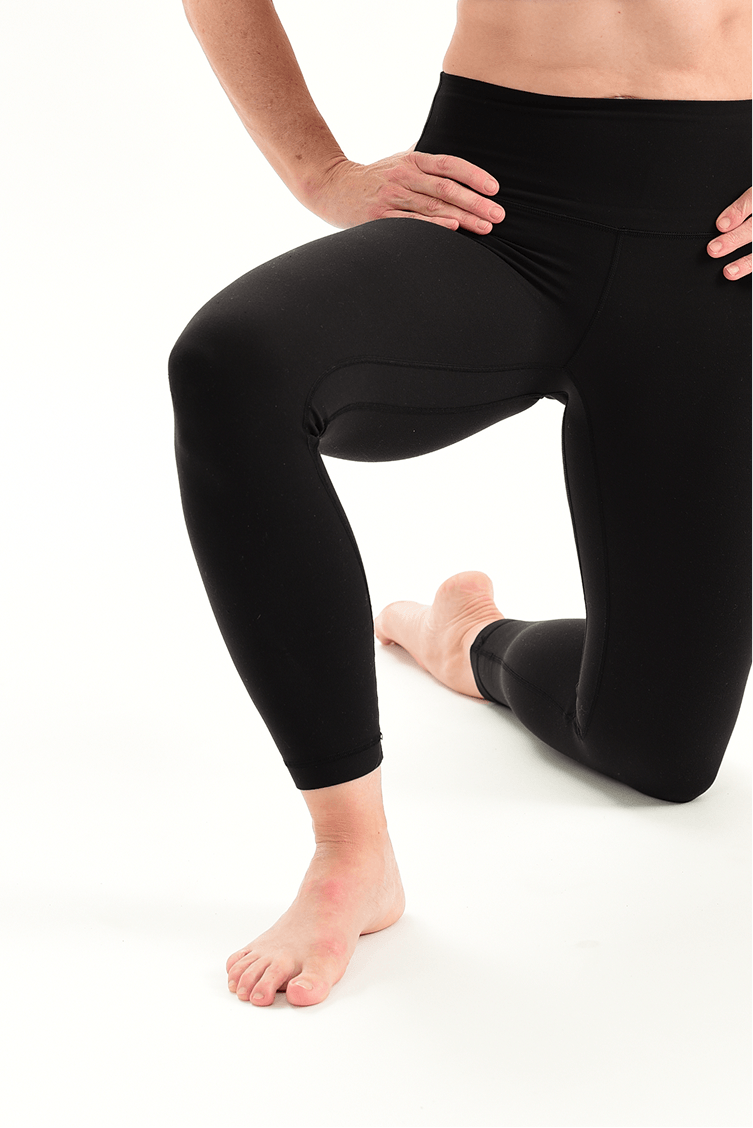
Pelvic Floor
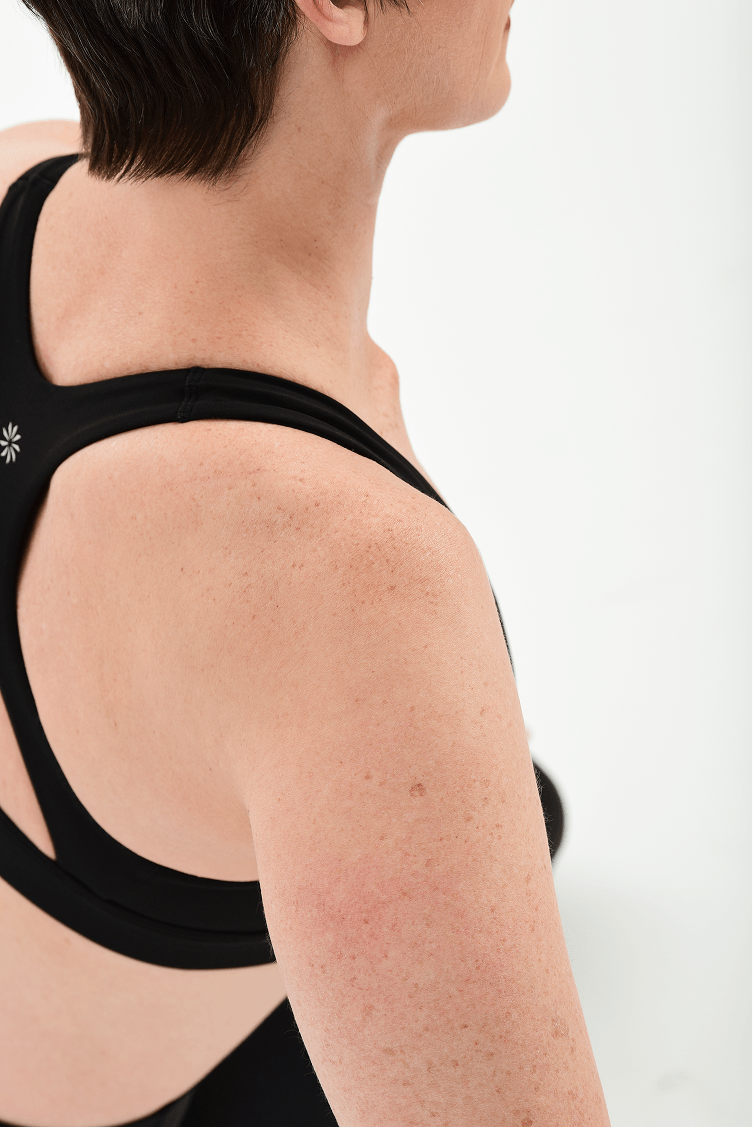
Shoulder pain
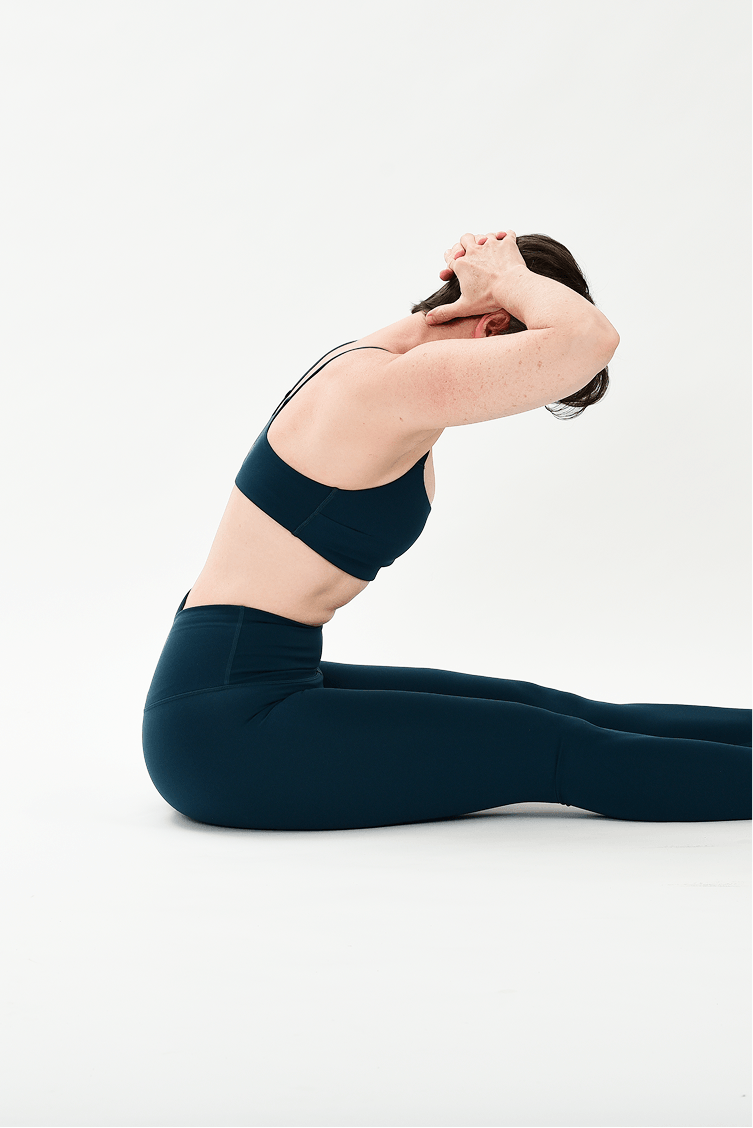
Sports Injury
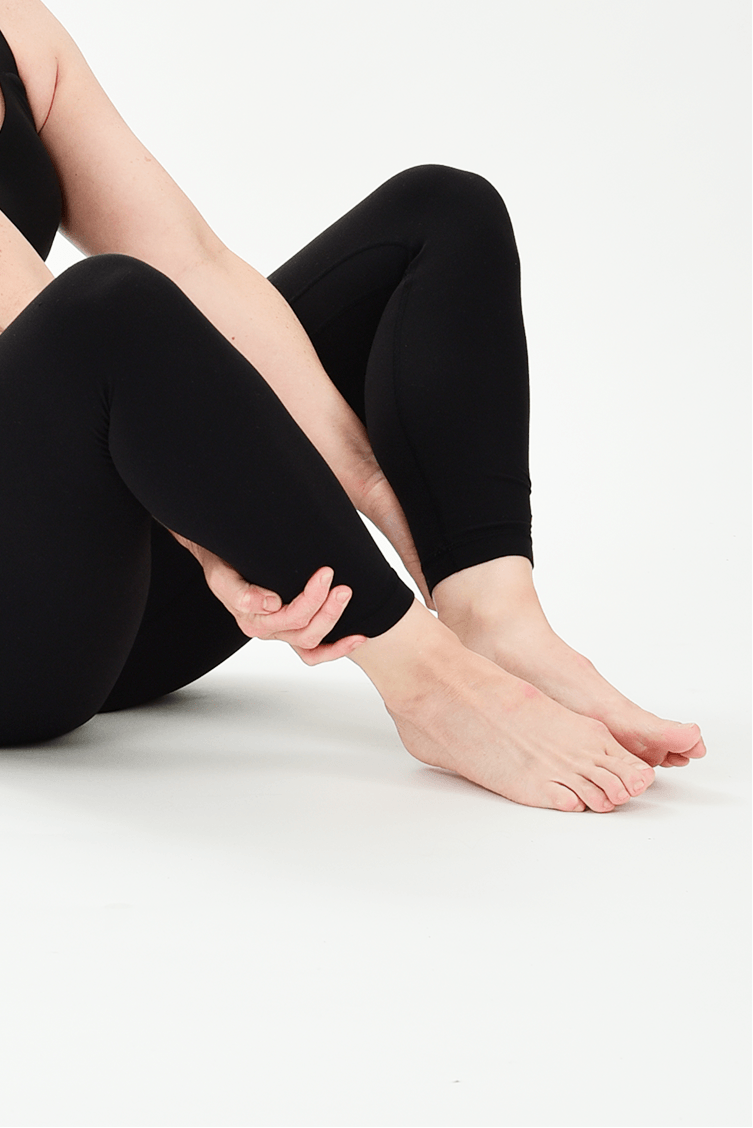
Stress Fractures
Vertigo & Dizziness

Work Injury
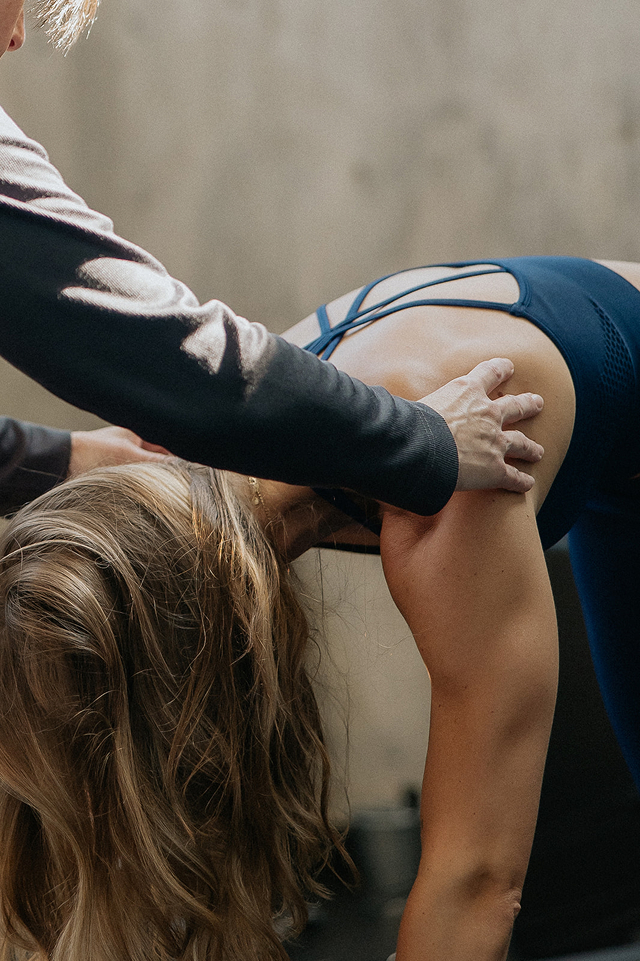
What a Rehabilitative Pilates Session Looks Like

Sessions are 50 minutes, delivered private or in a very small group format.

Each session begins with a brief check-in on how your body is responding to the work. From there, your teacher selects from the Reformer, Cadillac, Chair, Barrel, or mat based on what fits your session.

The emphasis is on precise form, modifications as needed, and progression at your pace.

A functional movement assessment is a structured evaluation that looks at how you move, not just where it hurts.

Your clinician tests specific patterns, identifies compensations, and maps the chain of dysfunction back to its source.

Then you build a plan that addresses the cause, not the symptom.

A functional movement assessment is a structured evaluation that looks at how you move, not just where it hurts.

Your clinician tests specific patterns, identifies compensations, and maps the chain of dysfunction back to its source.

Then you build a plan that addresses the cause, not the symptom.

Then you build a plan that addresses the cause, not the symptom.

Don't see your carrier? Call us to confirm. We work with most insurance networks and can walk you through your options.

Insurance and Billing

Rehabilitative Pilates is a private-pay service. If you want clinically supervised Pilates covered by insurance, that's Pilates-Based Rehabilitation under our physical therapy service line, available to active PT patients.

Many clients transition from insurance-covered Pilates-Based Rehabilitation into private-pay Rehabilitative Pilates as their formal PT episode closes. The healing continues.
Small groups, intentionally capped, so you get real attention from your teacher

Comprehensively trained Pilates teachers (Polestar®, NCPT) with years of teaching experience

A clinical lens behind every class — modifications are expected, not unusual

The same teacher format week over week so you build a real practice, not just attend classes

The same teacher format week over week so you build a real practice, not just attend classes

The same teacher format week over week so you build a real practice, not just attend classes

The same teacher format week over week so you build a real practice, not just attend classes

Don't see your carrier? Call us to confirm. We work with most insurance networks and can walk you through your options.

How We Treat

Every treatment plan is built around your specific diagnosis, history, and goals. Your clinician will recommend the right combination of these services based on your evaluation.

Functional Movement

Movement-based assessment and retraining. We identify the patterns causing pain and teach your body how to move in a way that supports recovery.

Manual Therapy

Hands-on techniques including soft-tissue mobilization and Active Release Techniques (ART)®. Delivered by your licensed clinician, not a tech.

Therapeutic Exercise

Customized exercise programs designed around your specific body, history, and goals. Not a generic protocol.

Neuromuscular Re-Education

Retraining the brain-body connection that pain and injury disrupt. Essential for post-surgical, post-concussion, and chronic pain patients.

Frequently Asked Questions

How does rehabilitative Pilates differ from regular Pilates?

Pilates rehabilitation is clinically directed. A licensed clinician sets the program to address a specific injury, imbalance, or surgery, where regular Pilates focuses on general fitness. The movements may look similar; the intent, supervision, and progression are clinical.

How often should I attend rehabilitative Pilates sessions?

Most plans run one to three sessions per week, set by your recovery goals and your clinician’s assessment. Frequency eases as you regain strength and control and transition toward independent practice.

Is rehabilitative Pilates suitable for all ages?

Yes. Programs adjust range, resistance, and equipment for children through older adults. Because the work is clinically supervised, it adapts to your condition rather than to a standard class format.

What is core strength rehabilitation?

Core strength rehabilitation rebuilds the deep abdominal, back, and pelvic muscles that stabilize your spine and pelvis. Strengthening them improves posture and control and takes load off joints that have been compensating.

How are core exercises performed?

Your teacher guides slow, controlled movements that target the deep stabilizing muscles, with precise cues on alignment and breathing. The Reformer and other apparatus add adjustable resistance so the work scales as your control improves.

Can core strength rehabilitation prevent injuries?

It can help reduce the risk. A stable, well-controlled core supports the spine and pelvis and improves how force moves through the body, which lowers the strain behind many common injuries. It supports prevention rather than guaranteeing it.

How long are core strength rehabilitation sessions?

Sessions usually run 30-40 minutes. The time allows for reassessment, guided core work, and the cues you will carry into daily movement and any home program.

Do I need prior experience for rehabilitative Pilates?

No experience is needed. Rehabilitative Pilates starts from where you are, and your clinically trained teacher adjusts every exercise to your ability and recovery stage. Many clients come to it with no Pilates background at all.

How often should I attend rehabilitative Pilates sessions?

One to three sessions per week is typical, matched to your recovery plan. Your teacher and clinician coordinate frequency so the Pilates work supports the rest of your rehabilitation.

Who leads clinical Pilates sessions?

Comprehensively trained, Polestar®-certified teachers lead clinical Pilates at ProHealth, working alongside the physical therapy team. That clinical grounding is what separates rehabilitative Pilates here from a standard studio class.

Still have questions?

Lorem ipsum dolor sit amet, consectetur adipiscing elit.

What Is Functional Movement Therapy

Functional movement is how your body performs the everyday actions of life: standing up, reaching overhead, walking down stairs, turning to look behind you. When those patterns break down, pain and injury follow. Often in places that seem unrelated to the actual cause.

A functional movement assessment is a structured evaluation that looks at how you move, not just where it hurts.

Your clinician tests specific patterns, identifies compensations, and maps the chain of dysfunction back to its source.

Then you build a plan that addresses the cause, not the symptom.

A functional movement assessment is a structured evaluation that looks at how you move, not just where it hurts.

Your clinician tests specific patterns, identifies compensations, and maps the chain of dysfunction back to its source.

Then you build a plan that addresses the cause, not the symptom.

Then you build a plan that addresses the cause, not the symptom.

Don't see your carrier? Call us to confirm. We work with most insurance networks and can walk you through your options.

What Is Functional Movement Therapy

Functional movement is how your body performs the everyday actions of life: standing up, reaching overhead, walking down stairs, turning to look behind you. When those patterns break down, pain and injury follow. Often in places that seem unrelated to the actual cause.

Small groups, intentionally capped, so you get real attention from your teacher

Comprehensively trained Pilates teachers (Polestar®, NCPT) with years of teaching experience

A clinical lens behind every class — modifications are expected, not unusual

The same teacher format week over week so you build a real practice, not just attend classes

The same teacher format week over week so you build a real practice, not just attend classes

The same teacher format week over week so you build a real practice, not just attend classes

The same teacher format week over week so you build a real practice, not just attend classes

Don't see your carrier? Call us to confirm. We work with most insurance networks and can walk you through your options.

Get Started

Feel Better.

Be Better

Perform Better.