Neuromuscular Re-Education in Peachtree City, GA
Retraining What Pain and Injury Disrupt.
When muscles forget how to fire and joints forget how to stabilize, you don't just need exercise. You need the signal restored.
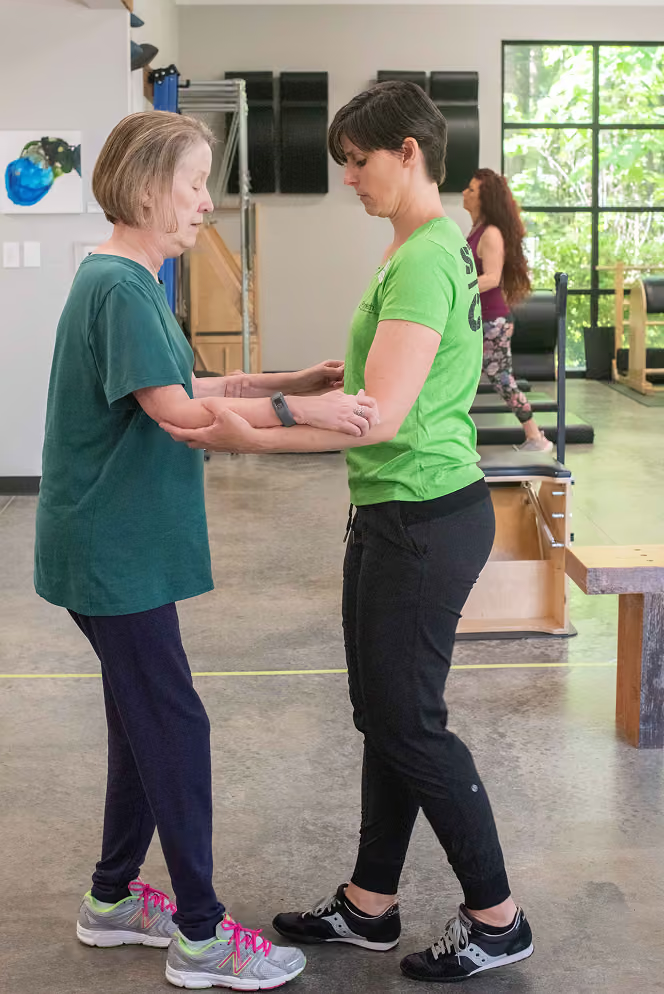
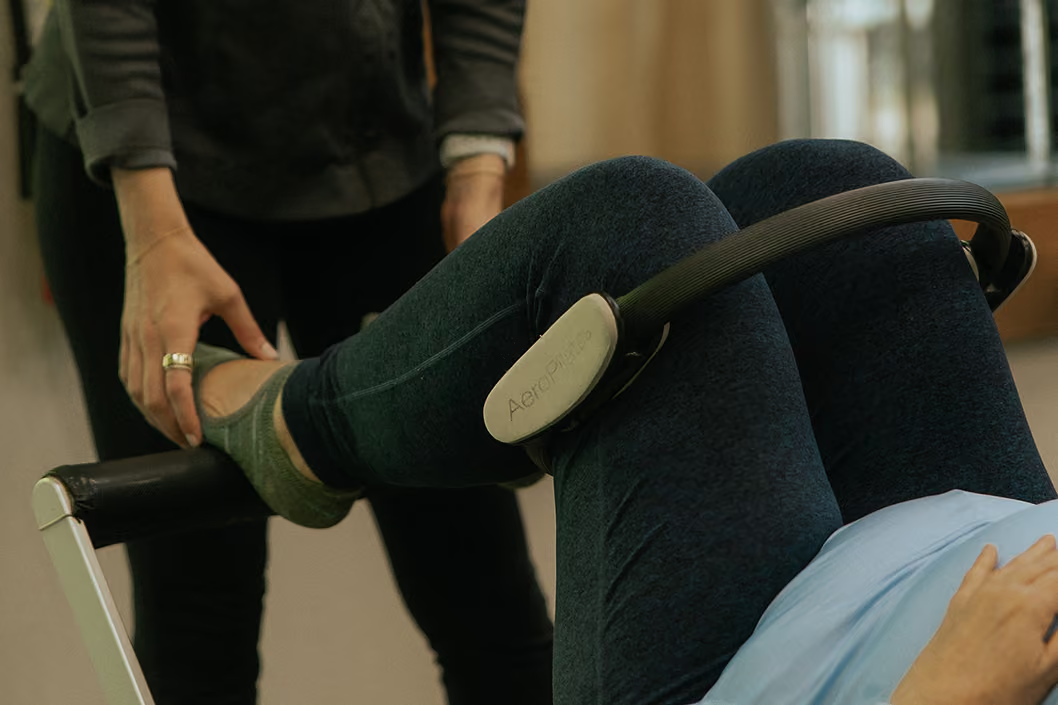
What is Neuro-Muscular Education?
Neuromuscular re-education is the work of retraining the communication between your brain and your muscles to restore coordinated, efficient movement. Injury, pain, surgery, and neurological events all disrupt that communication in different ways. Muscles stop firing when they should. Joints stop stabilizing. Movements that used to be automatic now take conscious effort or don't happen at all.
Without retraining, your body finds ways around the disruption. Compensations form. Re-injury becomes more likely. Chronic dysfunction sets in. Neuromuscular re-education is the clinical process of restoring those signals so your body can move the way it's supposed to again.




What the Treatment Looks Like
Your first session is a 60-minute evaluation with a licensed physical therapist. Here's the flow:
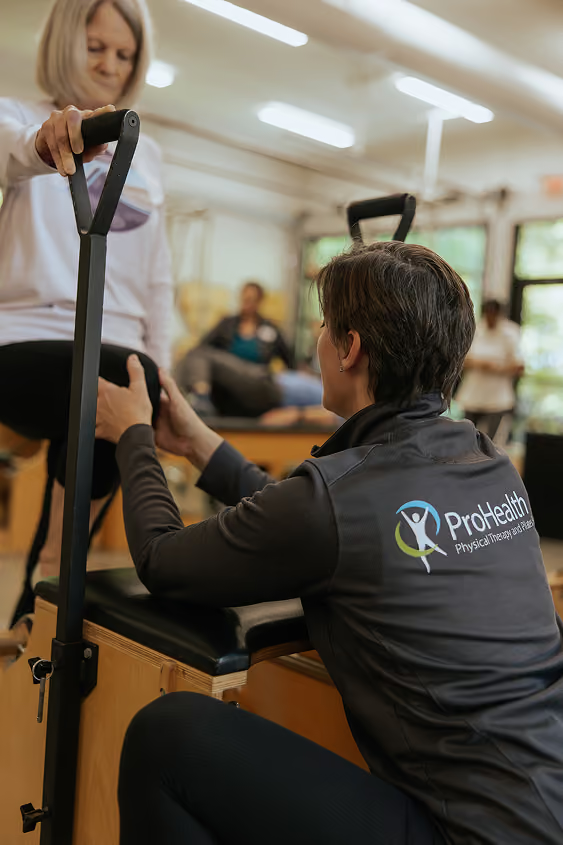
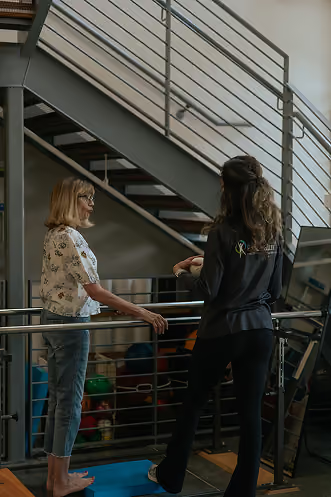
Your clinician identifies which patterns, muscles, or movements aren't firing correctly. They also map the compensation chains that developed as a result, so the treatment addresses the system, not just the symptom.
Low-load, high-precision exercises target specific muscle groups and motor patterns. Your clinician uses external cues (tactile, visual, verbal) to help your nervous system relearn the pattern. As the pattern stabilizes, the work progresses from simple to complex movements.
Once the pattern is reliable, we load it, speed it up, and integrate it into functional movement. The goal is automatic, efficient movement you don't have to think about. The work ends when your body remembers how to move correctly on its own.
%201.avif)
When Is Neuromuscular Re-Education Needed
Neuromuscular re-education is part of recovery in a wide range of situations:
After orthopedic surgery (knee, hip, shoulder, spine), when muscles stop firing normally during recovery
Following injury, when protective guarding patterns lock in and don't release
Post-stroke or post-concussion, when motor control pathways need rebuilding
In patients with vestibular or balance dysfunction
For chronic pain, where the nervous system has learned to protect instead of perform
For Parkinson's, MS, and other neurological conditions with motor implications
Conditions We Support with Neuromuscular Re-Education
Neuromuscular re-education is part of how we treat a range of conditions:
Arthritis
Auto Accident Injury
Back Pain & Sciatica
Balance and Gait Disorders
Chronic Pain
Elbow, Wrist Pain
Foot and Ankle Pain
Headaches & Migraines
Hip and Knee Pain
Neck Pain
Pelvic Floor
Shoulder pain
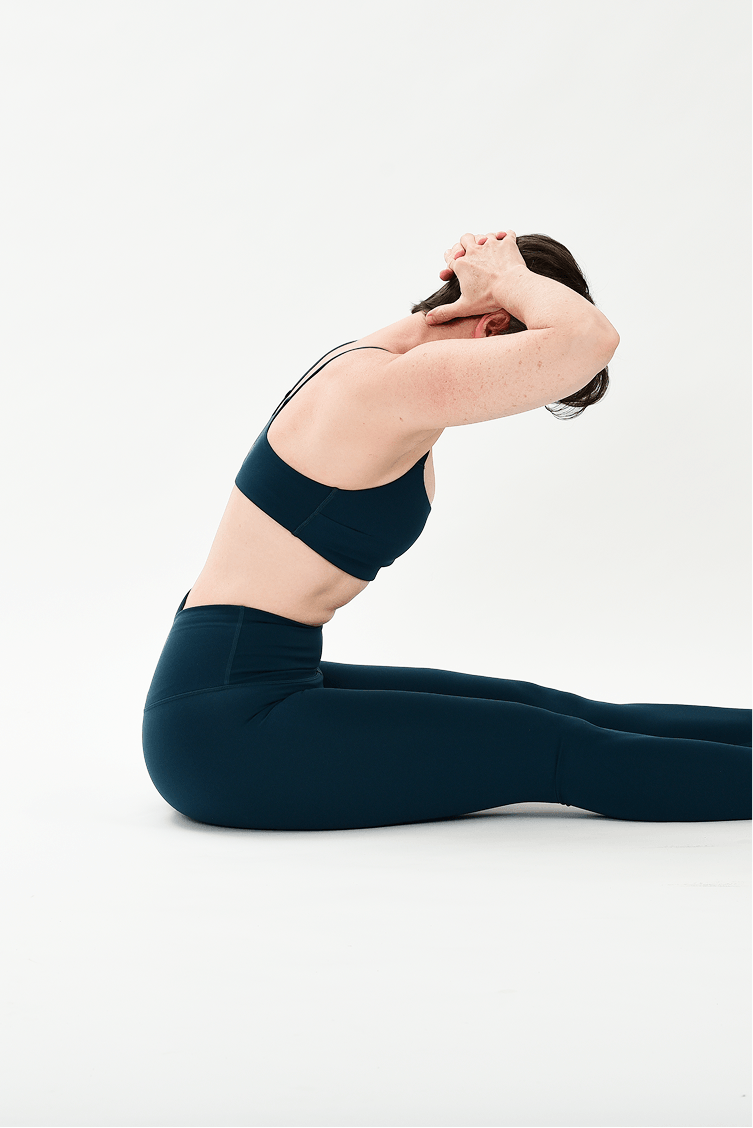
Sports Injury
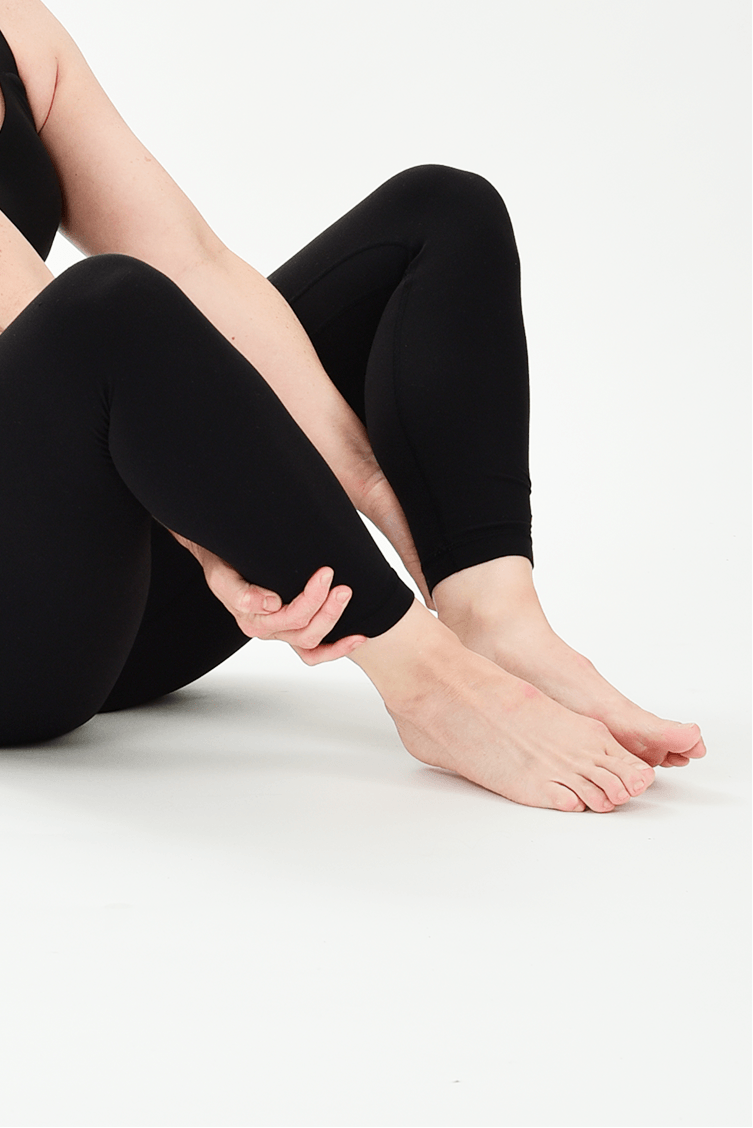
Stress Fractures
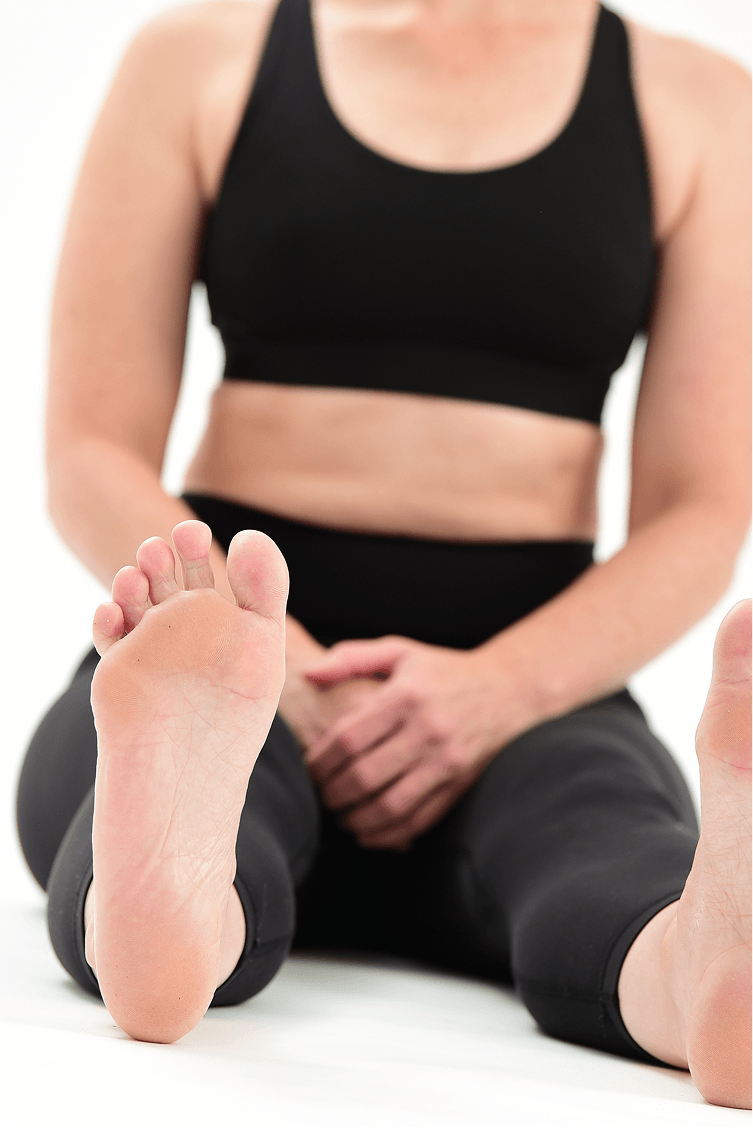
Vertigo & Dizziness
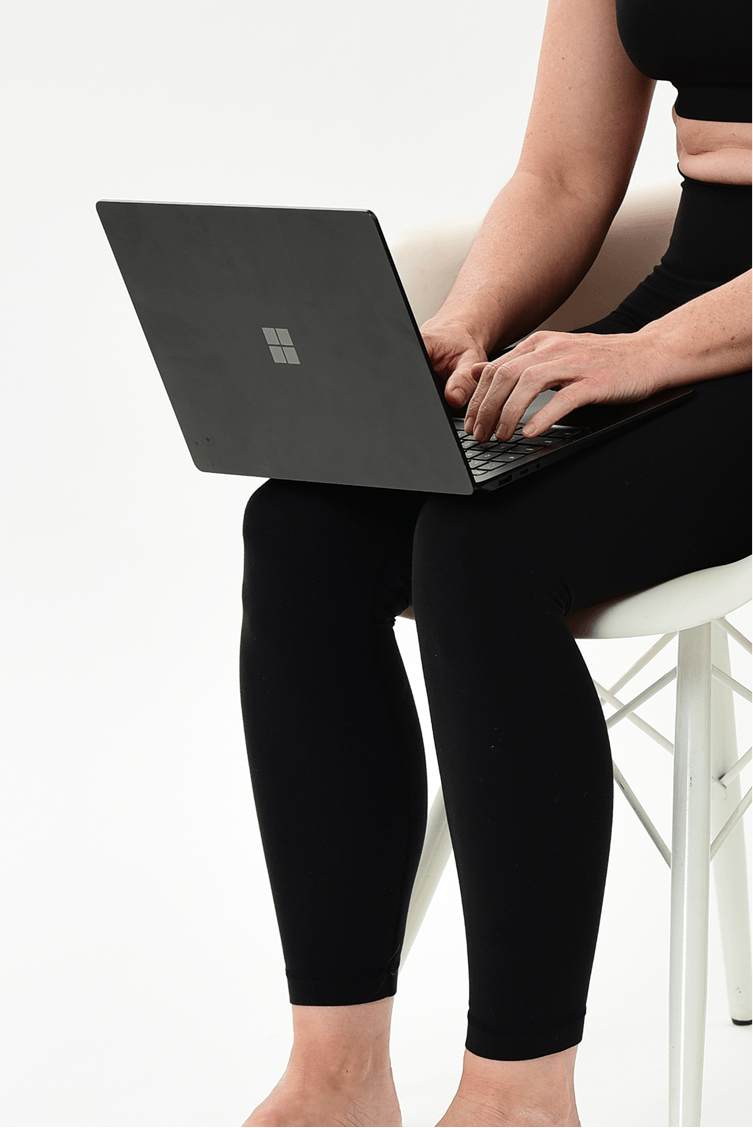
Work Injury
What Makes ProHealth Different
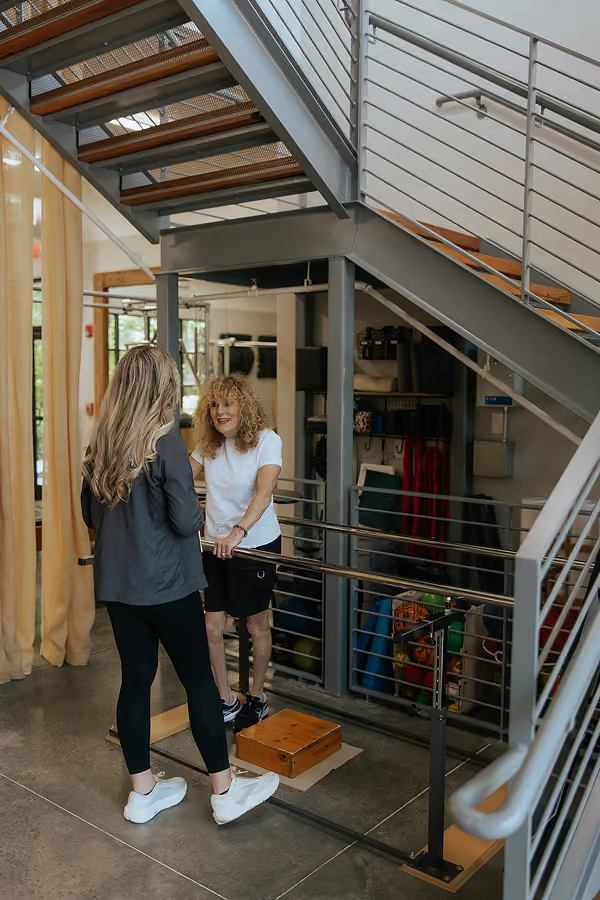
Neuromuscular re-education requires a clinician's eye on every repetition. At ProHealth, your licensed PT or PTA is present and engaged for the full session. No handoffs to aides, no exercises performed alone in a corner.
Every ProHealth clinician is also trained in Polestar® Pilates, which gives our team a deep movement-based foundation that's especially relevant in neuromuscular work where precise pattern restoration is the whole point.
Explore Other Services
Every treatment plan is built around your specific diagnosis, history, and goals. Your clinician will recommend the right combination of these services based on your evaluation.
Frequently Asked Questions
Regular exercise loads muscles that are already firing. Neuromuscular re-education works on muscles and patterns that aren't firing correctly in the first place. If you try to strengthen a muscle that isn't activating, you strengthen the compensations around it instead, which usually makes the problem worse. Your clinician's job is to identify what's not firing, use specific cues and techniques to restore the signal, then load the pattern once it's reliable. It's a different kind of work that requires a clinician's eye on every repetition.
Almost never. The nervous system continues to adapt and rewire for years after an injury or neurological event. That's called neuroplasticity, and it's the reason people who didn't get appropriate rehabilitation early can still make meaningful progress later. Your window for recovery is longer than you've probably been told. Call us and we'll tell you honestly what's possible based on your specific situation.
Neuromuscular work progresses more slowly than musculoskeletal rehabilitation because you're changing how your nervous system fires, not just how a joint moves. Most patients notice changes within 4 to 6 sessions. Durable change, meaning the new patterns hold up under stress and real-life demand, typically takes 8 to 16 weeks of consistent work. Your clinician will give you an honest timeline after your evaluation based on what we find.
Yes, with the right expectations. Neuromuscular re-education is part of how we help patients with Parkinson's, multiple sclerosis, post-stroke recovery, and other neurological conditions maintain function, slow decline, and stay independent longer. The goal with progressive conditions isn't always to restore what was. Sometimes it's to protect what is and adapt as the condition changes. We're honest about that distinction so you know what you're working toward.
It helps people recovering from injury, surgery, or neurological conditions like stroke, where the connection between nerves and muscles needs retraining. The work restores the coordination, balance, and controlled movement that injury or illness disrupted.
Your clinician guides targeted exercises, balance drills, and functional movement tasks that retrain how your nervous and muscular systems work together. Repetition and precise feedback rebuild the motor patterns, starting simple and adding complexity as control returns.
Yes. Programs adapt for children through older adults by adjusting difficulty and support. The principle holds at any age: repeat precise, progressively harder movements to rebuild coordination.
Balance retraining usually runs 30-40 minutes per session. The time covers assessment, guided drills, and practice you can continue at home, which is where much of the progress is reinforced.
People recovering from stroke, traumatic brain injury, or neurological disorders benefit most. ProHealth’s programs rebuild mobility, strength, and coordination, and aim to restore as much independence in daily activity as your recovery allows.
Many clients notice gradual gains in mobility, strength, and coordination over several weeks of consistent work. Neurological recovery is rarely linear, so your clinician tracks progress closely and adjusts the plan as you change.
Feel Better. Be Better. Perform Better.
Book your movement evaluation today.