Manual Therapy
in Peachtree City, GA
Hands-On Care, Delivered by Your PT.
Skilled manual work to release restricted tissue, restore joint mobility, and reduce pain. From the licensed clinician who's with you the whole session.
What Manual Therapy Is
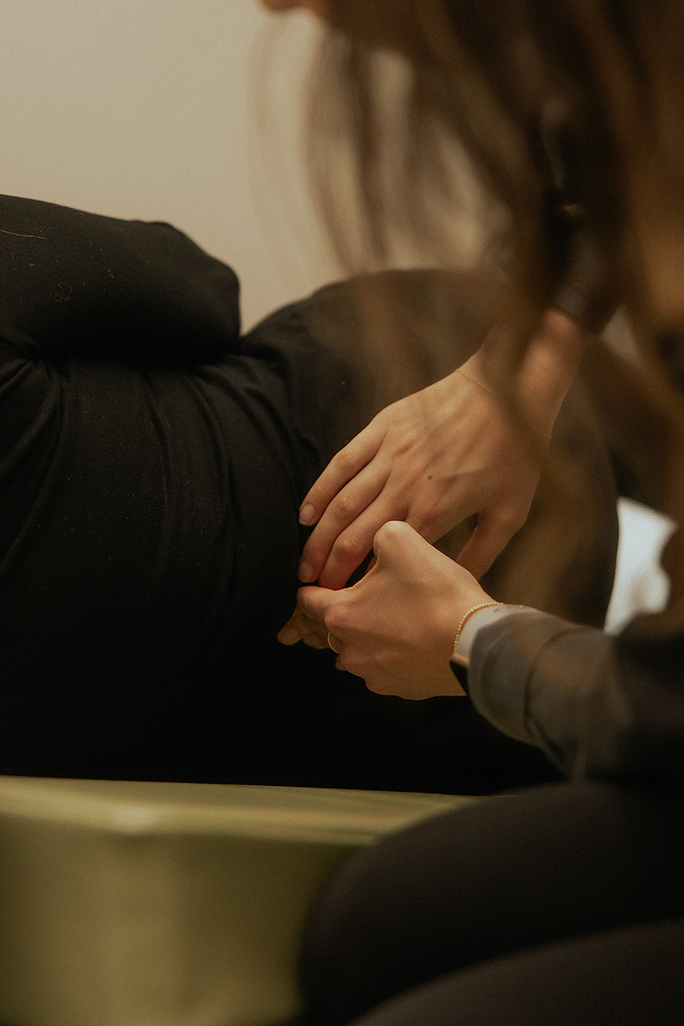
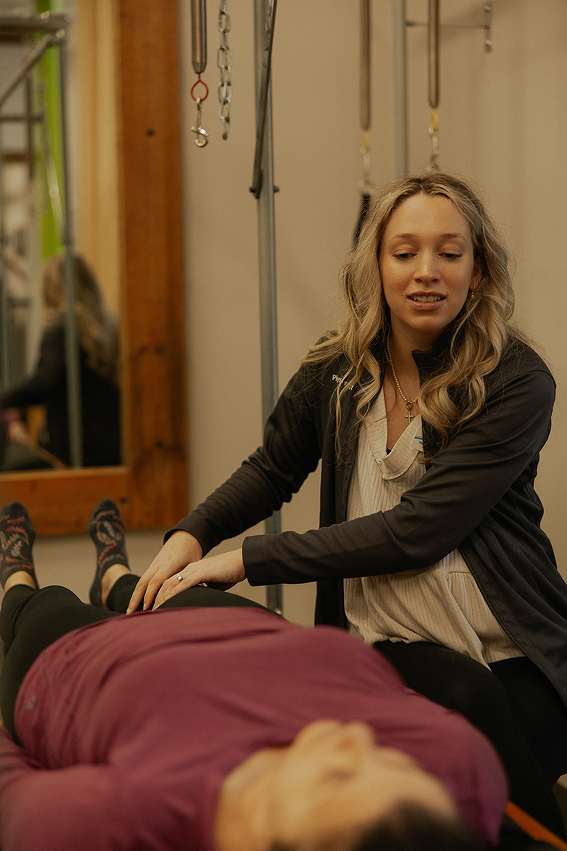
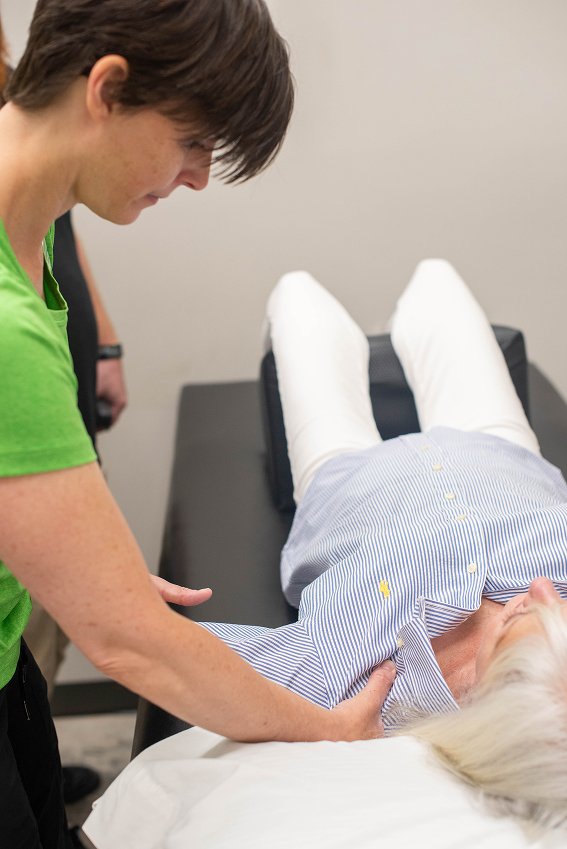
Manual therapy is a set of hands-on techniques used by licensed physical therapists to address soft tissue restriction, joint stiffness, and pain. Your clinician uses their hands to assess and treat the specific structures that are limiting your movement or contributing to your symptoms.
What it isn't: a massage. Manual therapy is a clinical intervention with a specific diagnostic purpose and a defined treatment goal. The work is precise, targeted, and informed by your evaluation.





Techniques We Use
We use a range of proven methods:
Graded, controlled movements applied to a joint to restore range of motion. Joint mobilization is especially useful after surgery, with frozen shoulder, and for stiffness that develops after periods of immobilization.
Targeted hands-on work on muscle, fascia, and connective tissue to release restriction. Soft tissue mobilization addresses scar tissue, trigger points, and chronic tightness that limit your movement.
Sustained pressure on restricted fascial lines to restore mobility. Often used for chronic pain and postural dysfunction where the fascia itself has become a primary source of symptoms.
Specific tools used to treat tendon and fascial restriction when clinically appropriate. Your clinician will explain whether and why this is part of your plan.

When Manual Therapy Is Appropriate
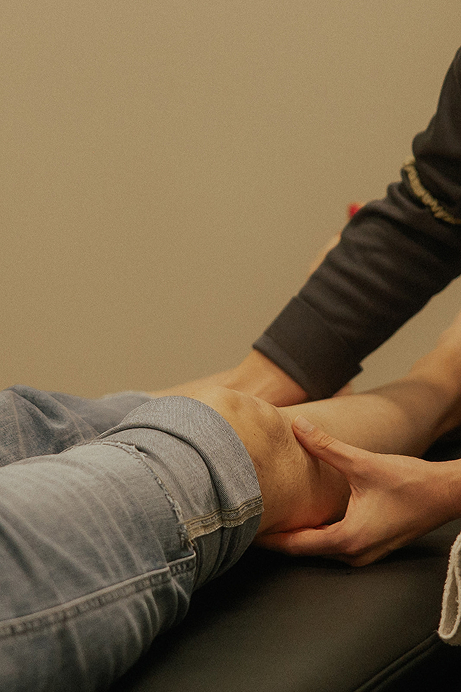
Manual therapy is part of how we treat a range of musculoskeletal conditions:
Neck, back, and shoulder pain with mobility restrictions
Post-surgical recovery (total joint, spine, rotator cuff)
Headaches related to cervical or jaw dysfunction
TMJ and TMD
Chronic pain conditions
Sports and overuse injuries
Conditions We Treat With Manual Therapy
Manual therapy is part of how we treat a range of conditions:
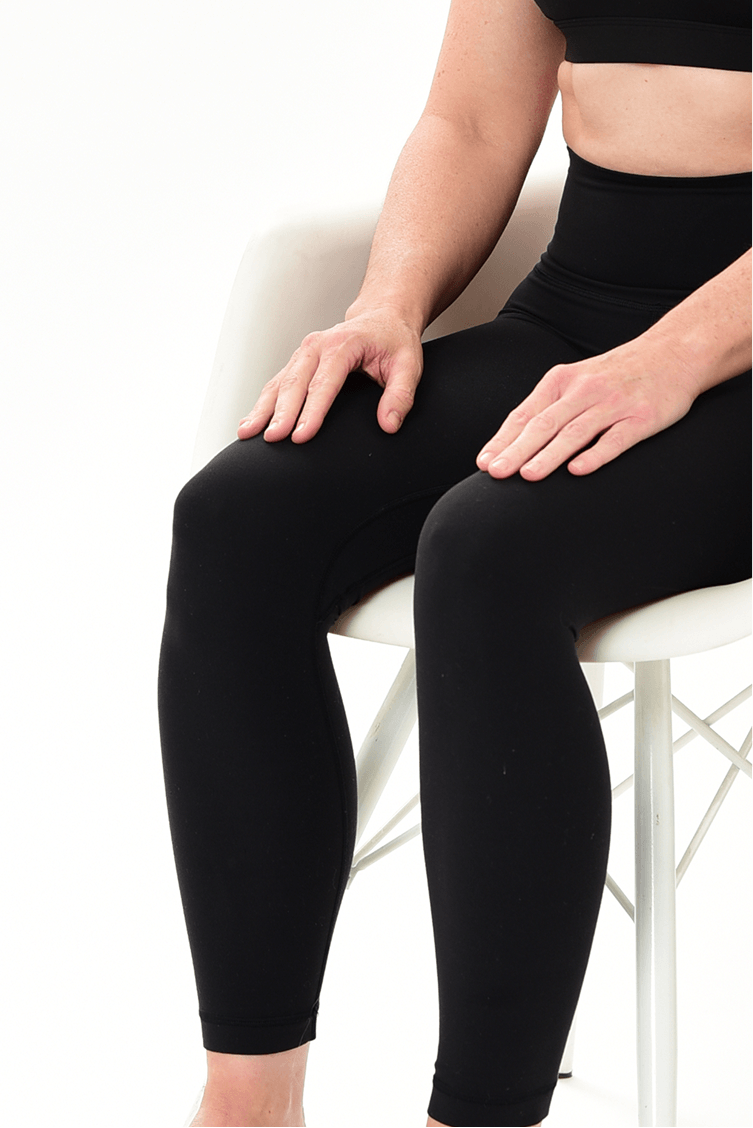
Arthritis
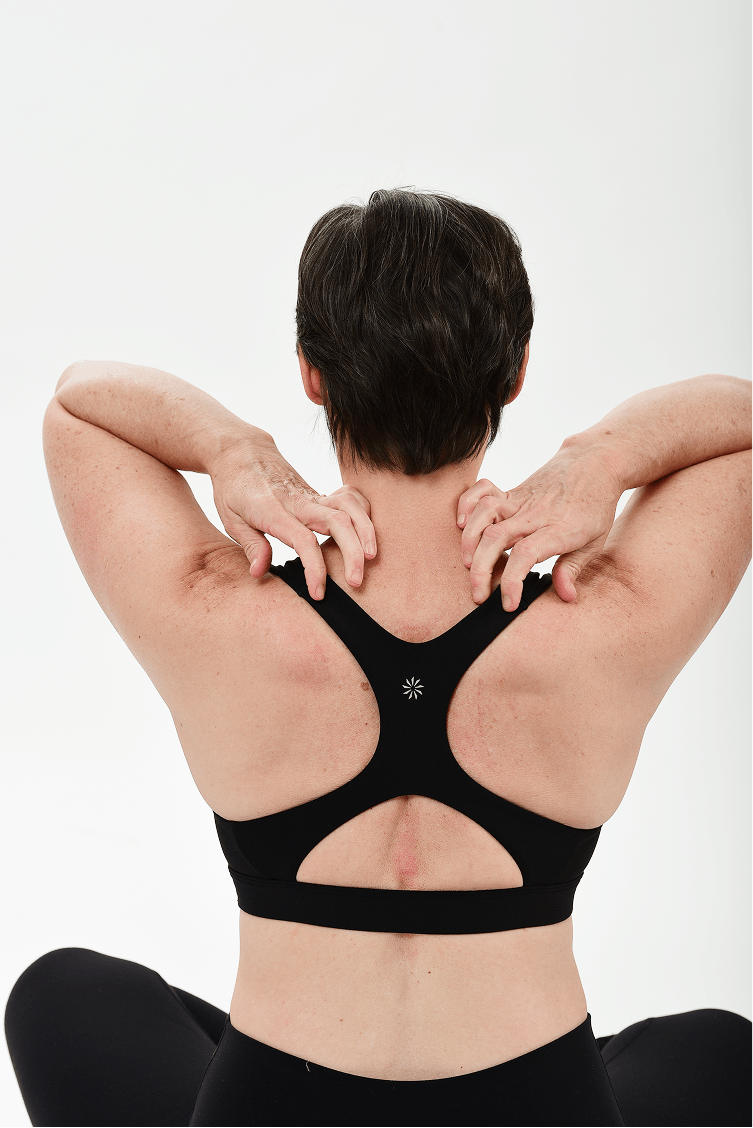
Auto Accident Injury
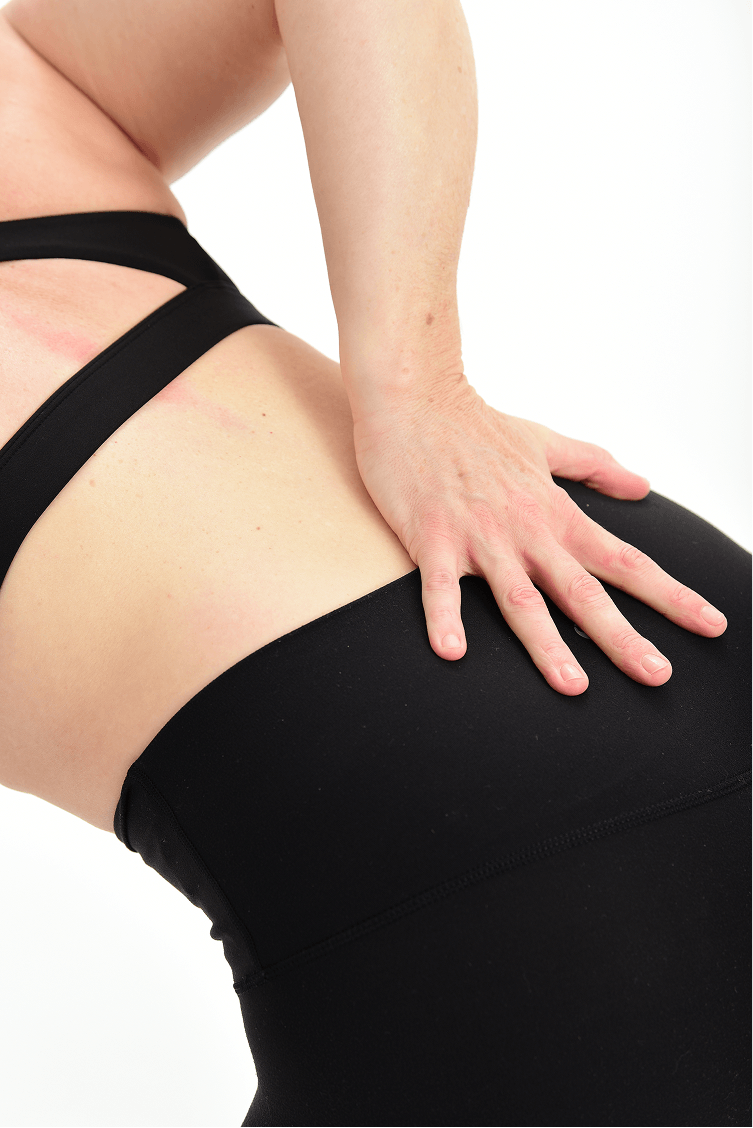
Back Pain & Sciatica
Balance and Gait Disorders
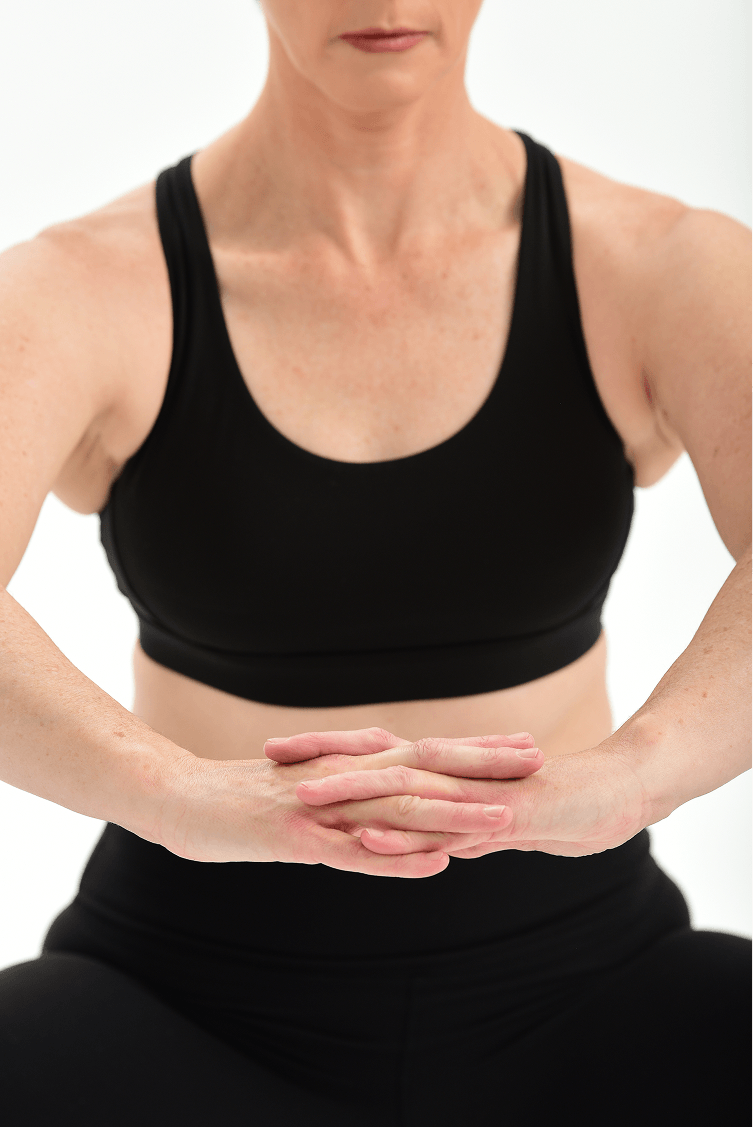
Chronic Pain
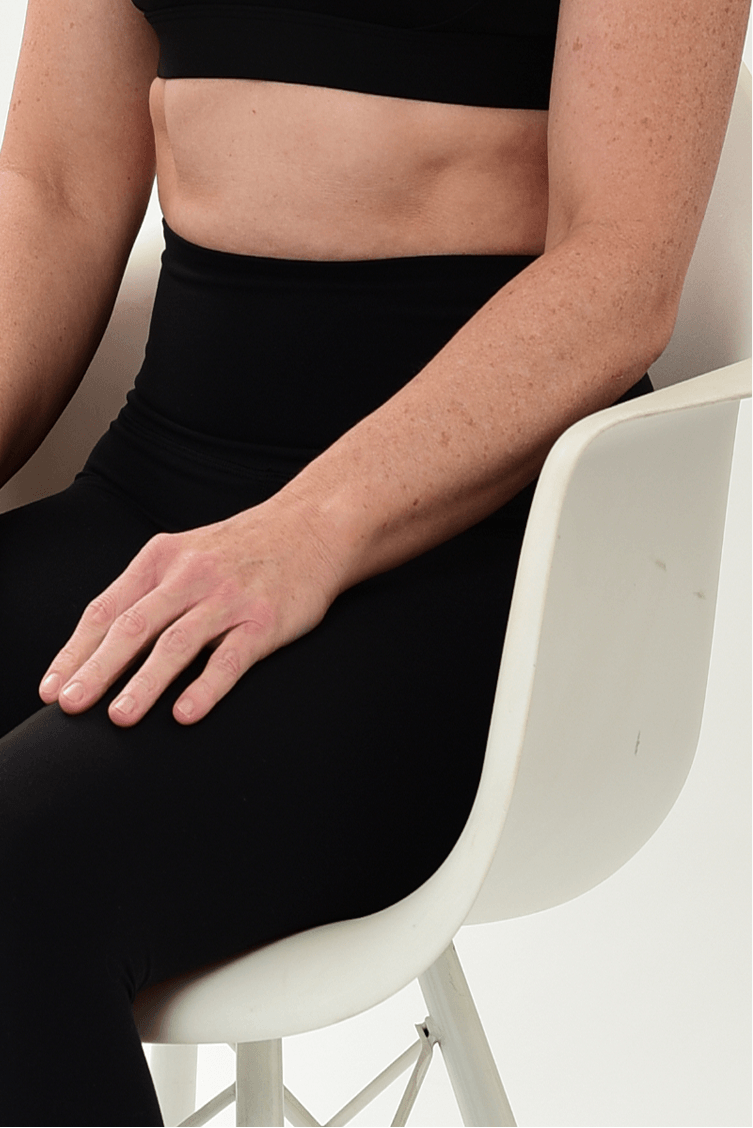
Elbow, Wrist Pain
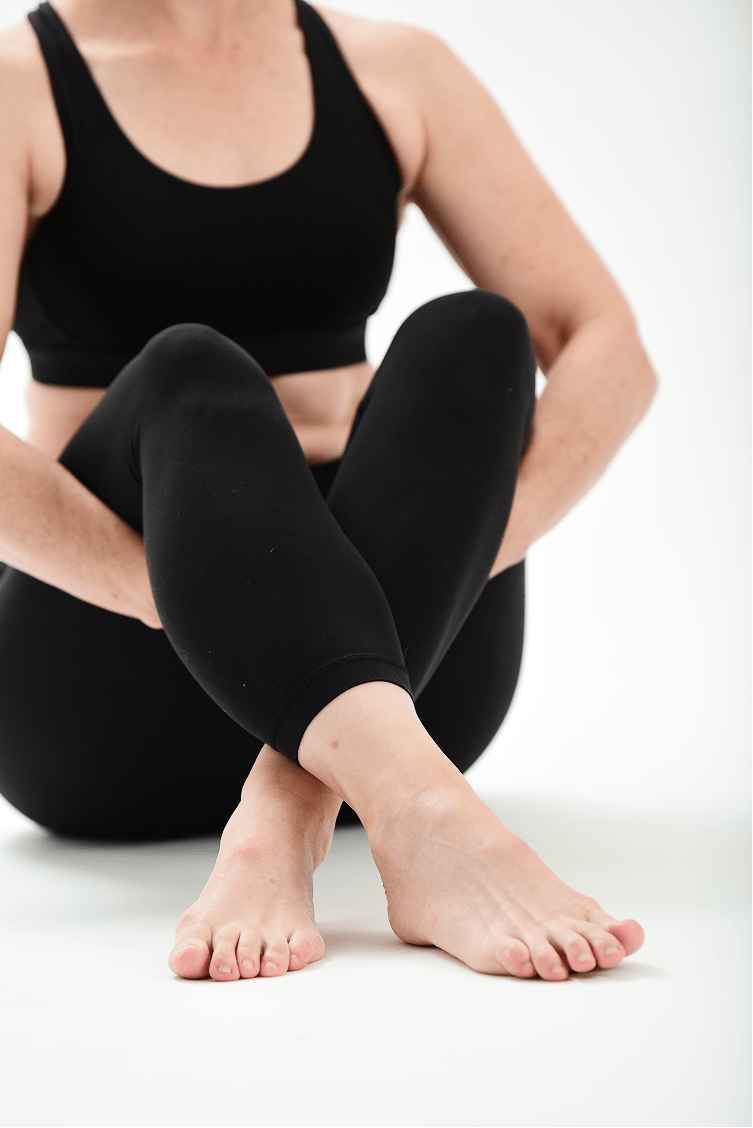
Foot and Ankle Pain
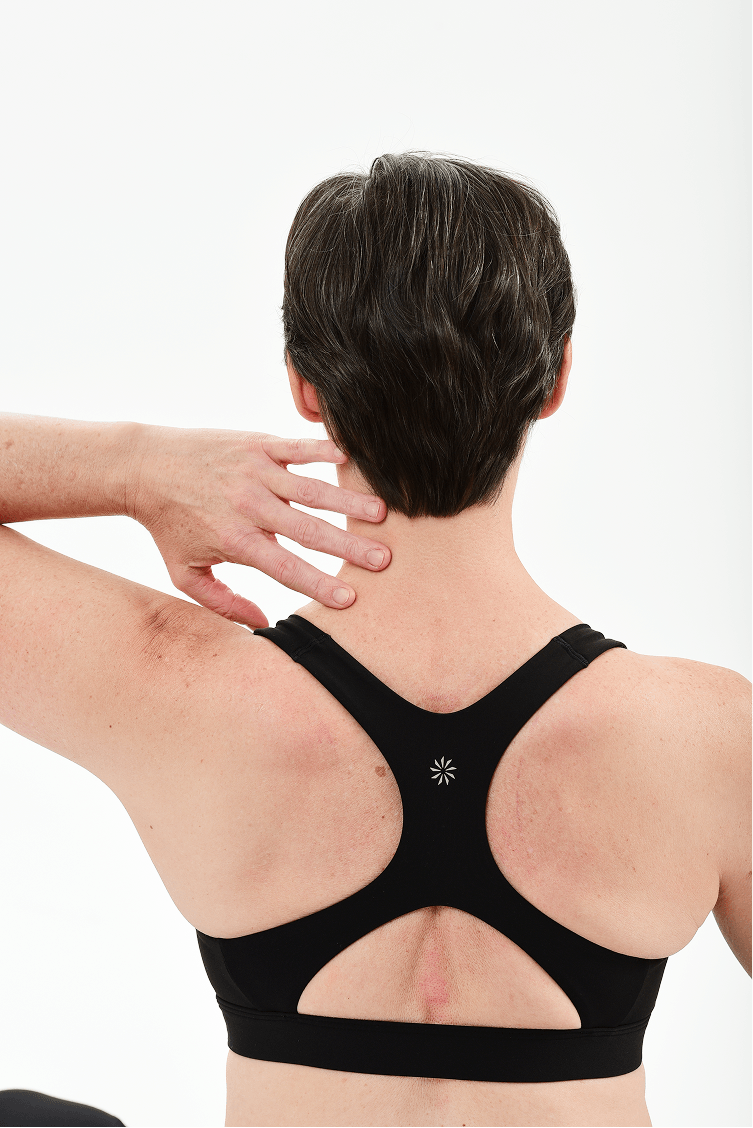
Headaches & Migraines
Hip and Knee Pain
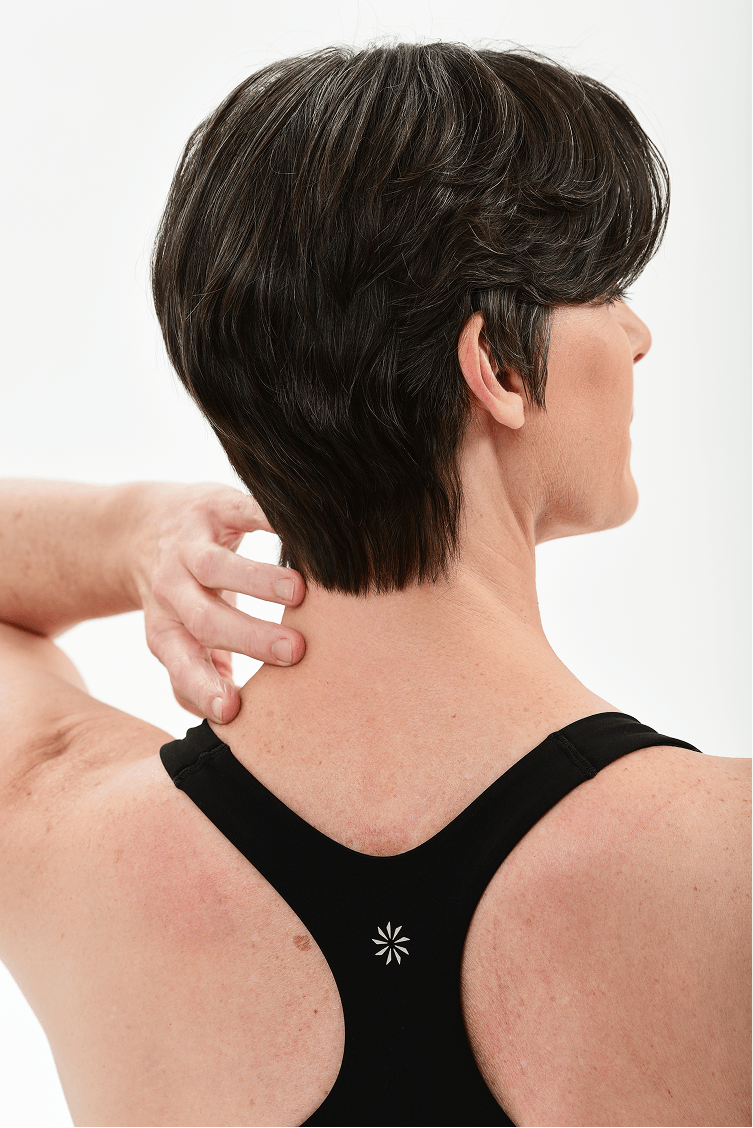
Neck Pain
Pelvic Floor
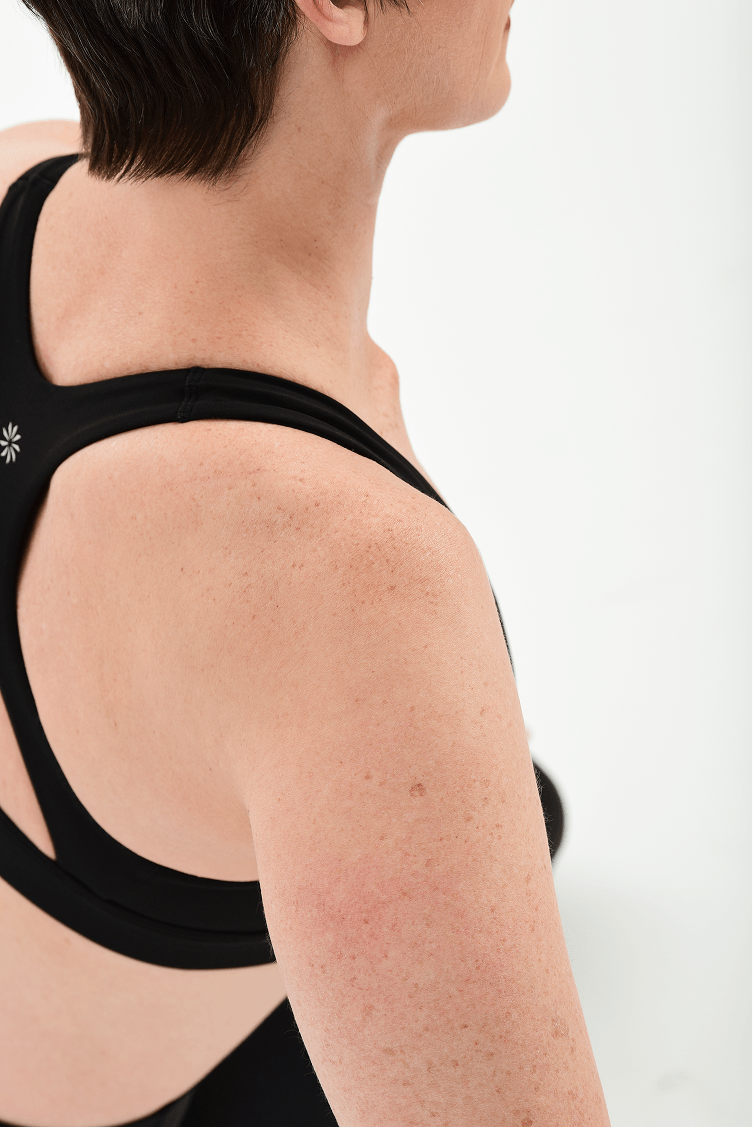
Shoulder pain

Sports Injury
Stress Fractures
Vertigo & Dizziness
Work Injury
Why Delivered by a Licensed PT Matters
Movement patterns can't change if tissue can't move. Manual therapy is the bridge that allows therapeutic exercise to produce real, lasting adaptation. Research consistently supports manual therapy combined with exercise as the strongest approach for most musculoskeletal conditions.
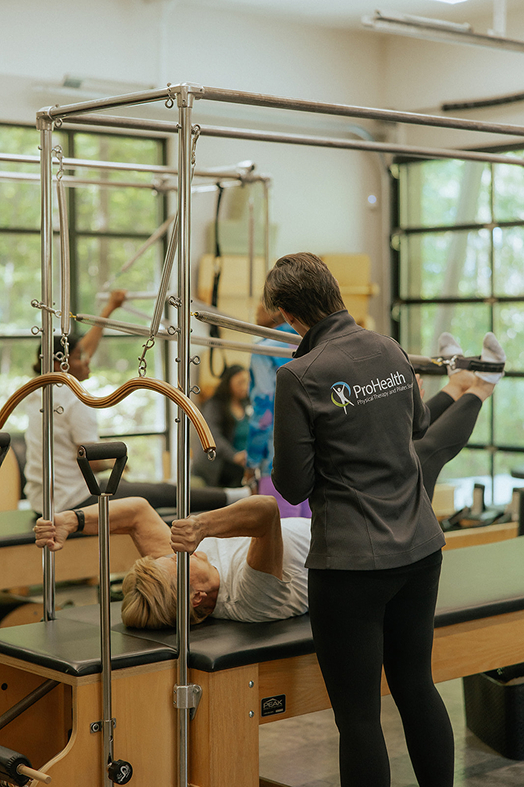
At ProHealth, every manual therapy session is delivered by your licensed PT or PTA. The same clinician who assessed you, knows your diagnosis, and is tracking your progress is the one with hands on your tissue. They adjust technique in real time based on how your body responds. That's the difference between treatment and bodywork.
What Makes ProHealth Different
At ProHealth, your manual therapy is delivered by the same licensed clinician who evaluated you and designed your plan of care. No handoffs to aides or assistants.
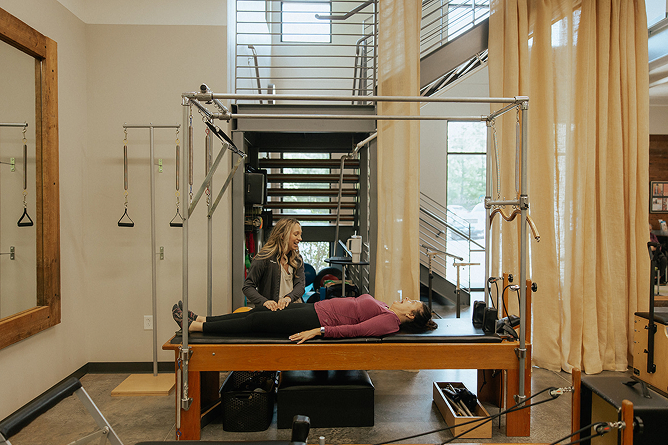
Every ProHealth physical therapist and PTA is also trained in Polestar® Pilates, which gives our team a movement-based lens that informs how manual work fits into your broader recovery.
How We Treat
Every treatment plan is built around your specific diagnosis, history, and goals. Your clinician will recommend the right combination of these services based on your evaluation.
Frequently Asked Questions
No. A massage is a wellness service that addresses general tension and relaxation. Manual therapy is a clinical intervention delivered by a licensed physical therapist who has evaluated your specific diagnosis and is using hands-on techniques to change the mechanics of a joint, muscle, or fascial line. The goal isn't to feel good for an hour. The goal is to restore mobility so the rest of your rehabilitation can actually work.
Sometimes, briefly. Manual therapy on restricted tissue or a stiff joint can be uncomfortable while your clinician is doing the work. It shouldn't be severe, and it shouldn't linger afterward. If a technique hurts in a way that feels wrong, tell your clinician. We adjust in real time. Pain is information, not a requirement.
Chiropractic care is a separate profession with its own scope and training. Chiropractors often focus on joint manipulation, particularly of the spine. Physical therapists perform manual therapy as one tool in a comprehensive rehabilitation plan that includes movement evaluation, therapeutic exercise, and neuromuscular retraining. Both can be useful. The difference is that manual therapy at ProHealth is paired with the movement work that makes the changes last.
Manual therapy often produces noticeable change in the same session. You may walk out with more range of motion, less pain, or a muscle that finally releases. What manual therapy cannot do on its own is make those changes stick. The therapeutic exercise and movement work you do between and after sessions is what locks in the progress. Expect to feel better quickly. Expect the durable improvement to take longer.
Usually not. Manual therapy as a standalone treatment is rarely effective for long. Restrictions come back because the patterns that caused them haven't changed. At ProHealth, manual therapy is almost always paired with therapeutic exercise, functional movement work, or neuromuscular re-education. That combination is what produces lasting results. If you're looking for bodywork without the clinical program, a licensed massage therapist is probably the better fit.
People with musculoskeletal pain, stiffness, or restricted movement benefit most. Hands-on techniques relieve pain and restore mobility, often as the entry point that makes active exercise possible. Your clinician decides whether it fits your case at your evaluation.
Sessions typically run 30-40 minutes. Manual techniques are usually paired with exercise in the same visit, so the hands-on portion may be part of a longer treatment session.
For most patients, yes, when performed by a licensed clinician who has assessed your condition first. ProHealth screens for contraindications before any hands-on work and adjusts technique to what your body tolerates.
People with muscle tightness, post-injury adhesions, or chronic pain often respond well to myofascial release. The technique targets restricted soft tissue to ease tension and restore movement, and pairs with exercise for lasting results.
A single session lasts 30-40 minutes, but most conditions need a series over several weeks. Your clinician reassesses mobility at each visit and tapers the technique as the joint moves more freely.
Feel Better. Be Better. Perform Better.
Request your evaluation today.