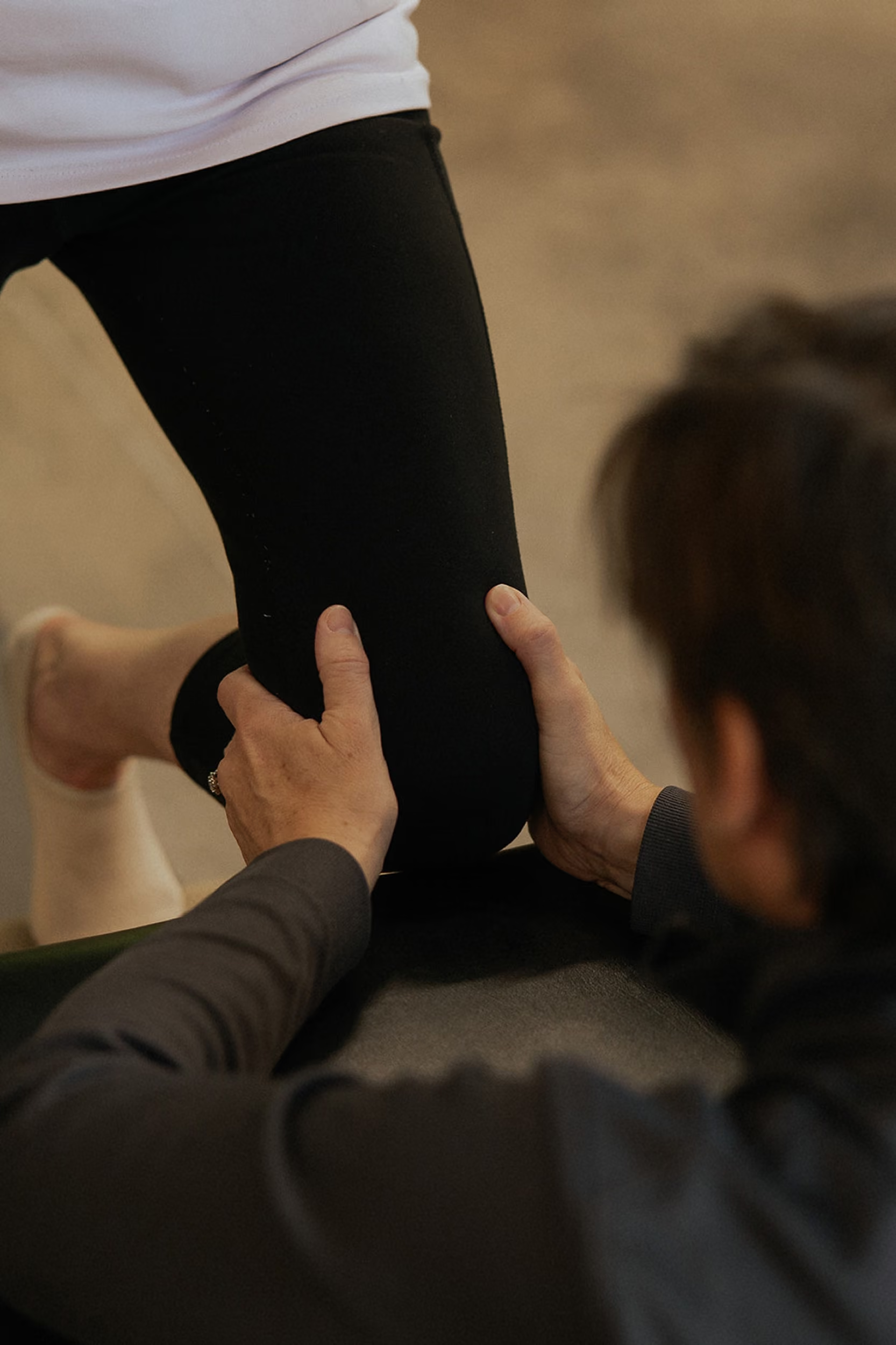
Functional Movement Therapy in Pilates Studio
Find Why It Hurts, Not Just Where.
Pain rarely lives in just one spot. A knee that hurts often starts at the hip. A shoulder that won't lift often starts in the neck or mid-back.
Functional movement assessment is how we find the real source and build the plan to fix it.
What Is Functional Movement Therapy
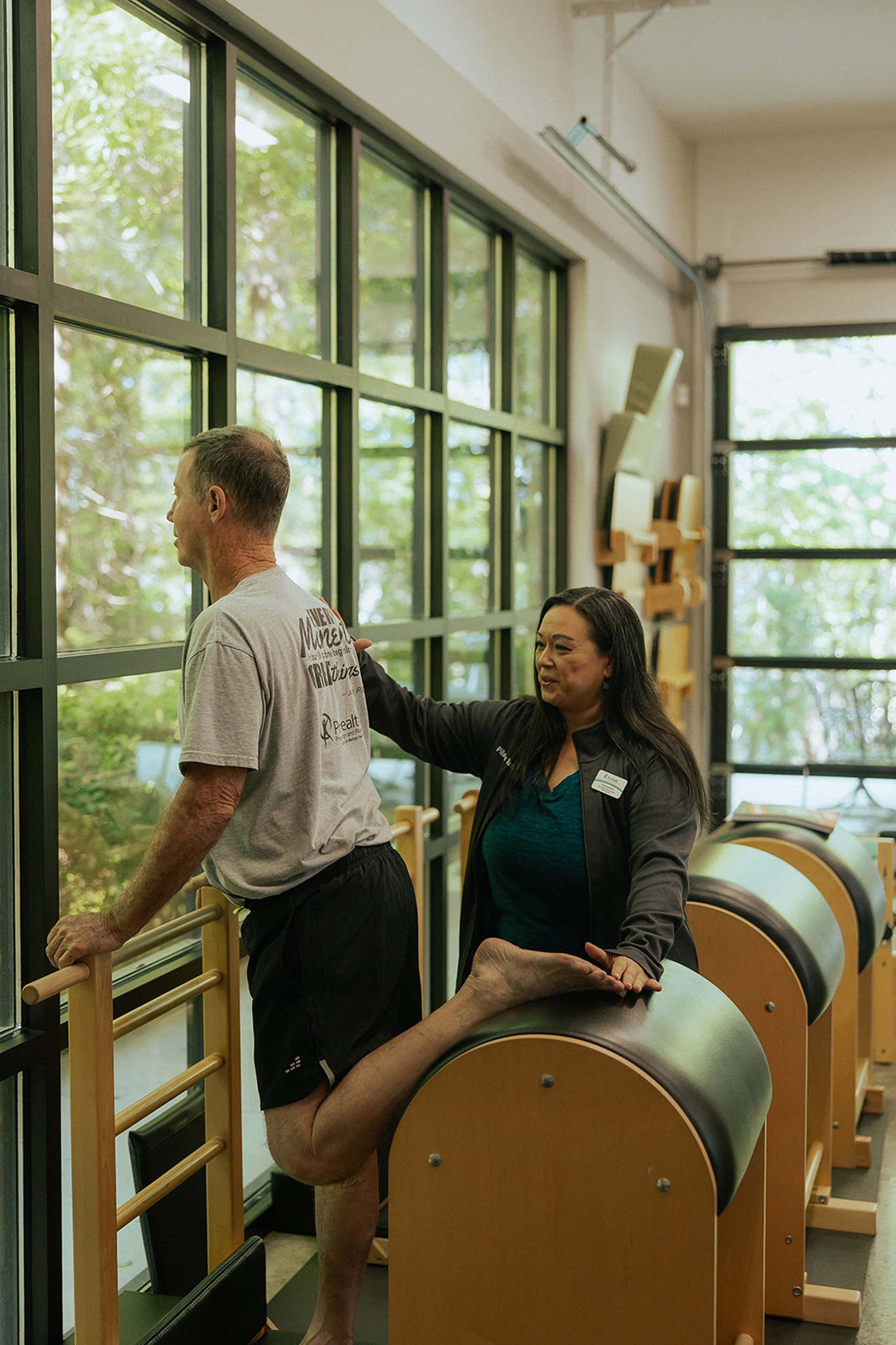
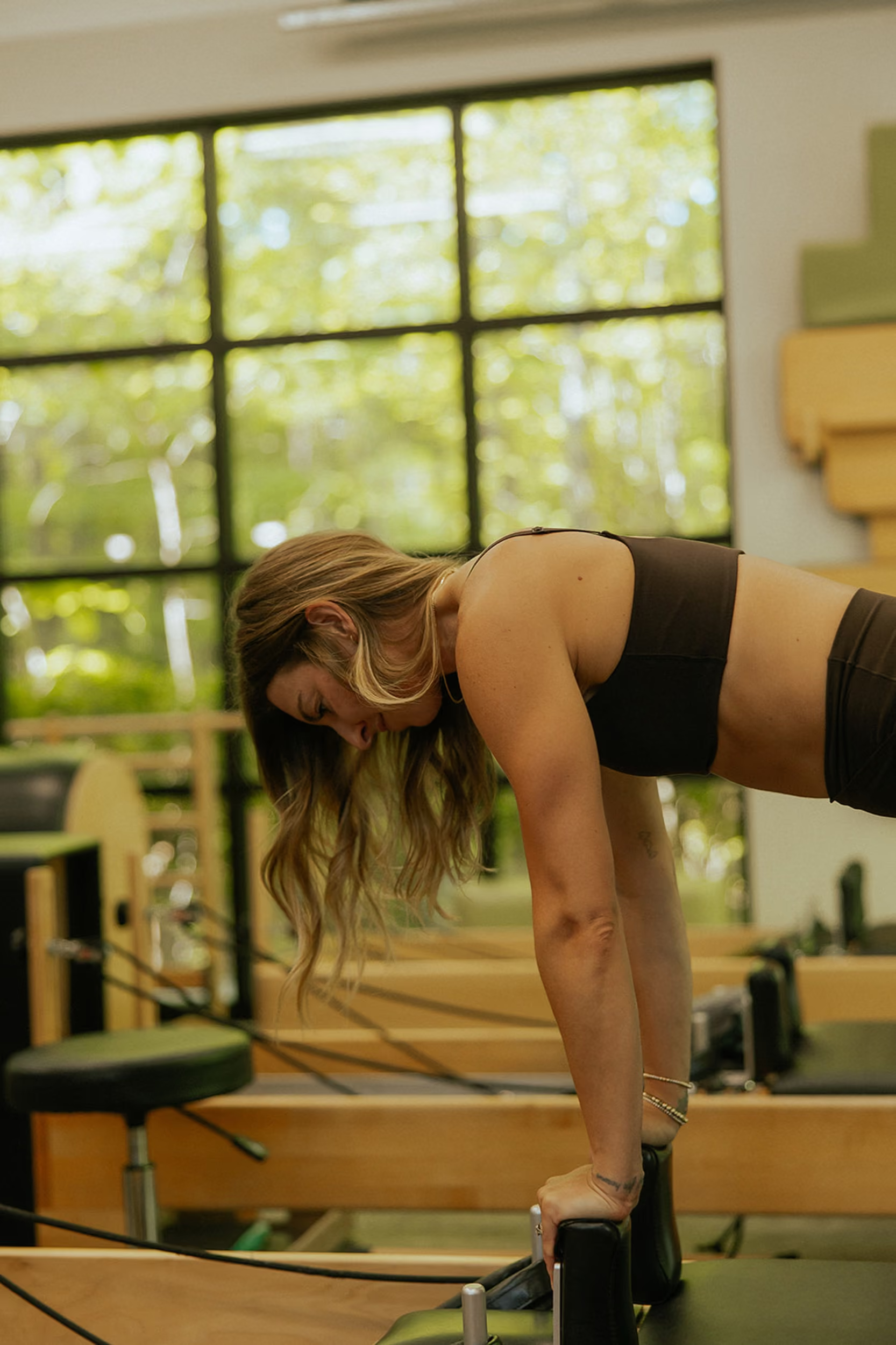
Functional movement is how your body performs the everyday actions of life: standing up, reaching overhead, walking down stairs, turning to look behind you. When those patterns break down, pain and injury follow. Often in places that seem unrelated to the actual cause.
A functional movement assessment is a structured evaluation that looks at how you move, not just where it hurts.
Your clinician tests specific patterns, identifies compensations, and maps the chain of dysfunction back to its source.
Then you build a plan that addresses the cause, not the symptom.





What a Functional Movement Session Looks Like
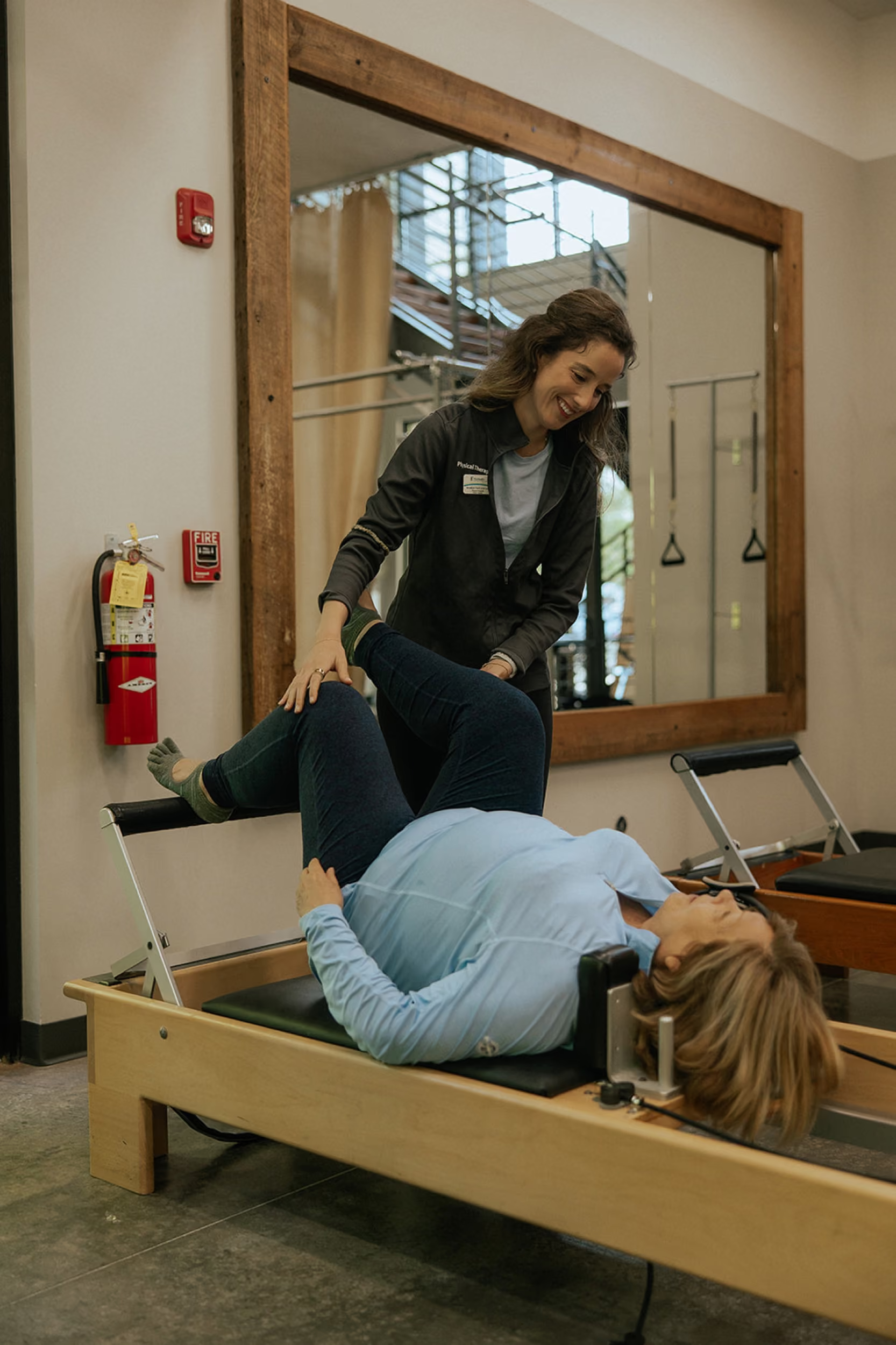
Your first session is a 60-minute evaluation with a licensed physical therapist. Here's the flow:
Your clinician will guide you through a series of movement tests: squats, lunges, shoulder reaches, single-leg stance, trunk rotation, and more, depending on what you've come in for. We're watching for restrictions, asymmetries, and compensations.
Once we know how you're moving, we can connect it to what you're feeling. A patient with chronic lower back pain might have a hip mobility issue. A runner with knee pain often has a glute activation problem. Understanding the chain is where real recovery starts.
You leave with specific exercises, movement cues, and a progression plan. We teach you the movements in-session so you know exactly how they should feel. Most patients also leave with a home exercise program designed to fit your schedule, because the work between sessions is where real change happens. Progress is measured session over session.
Functional movement therapy is delivered as physical therapy and is covered by most major insurance plans. We verify your benefits before your first visit.
Who Functional Movement Therapy Helps
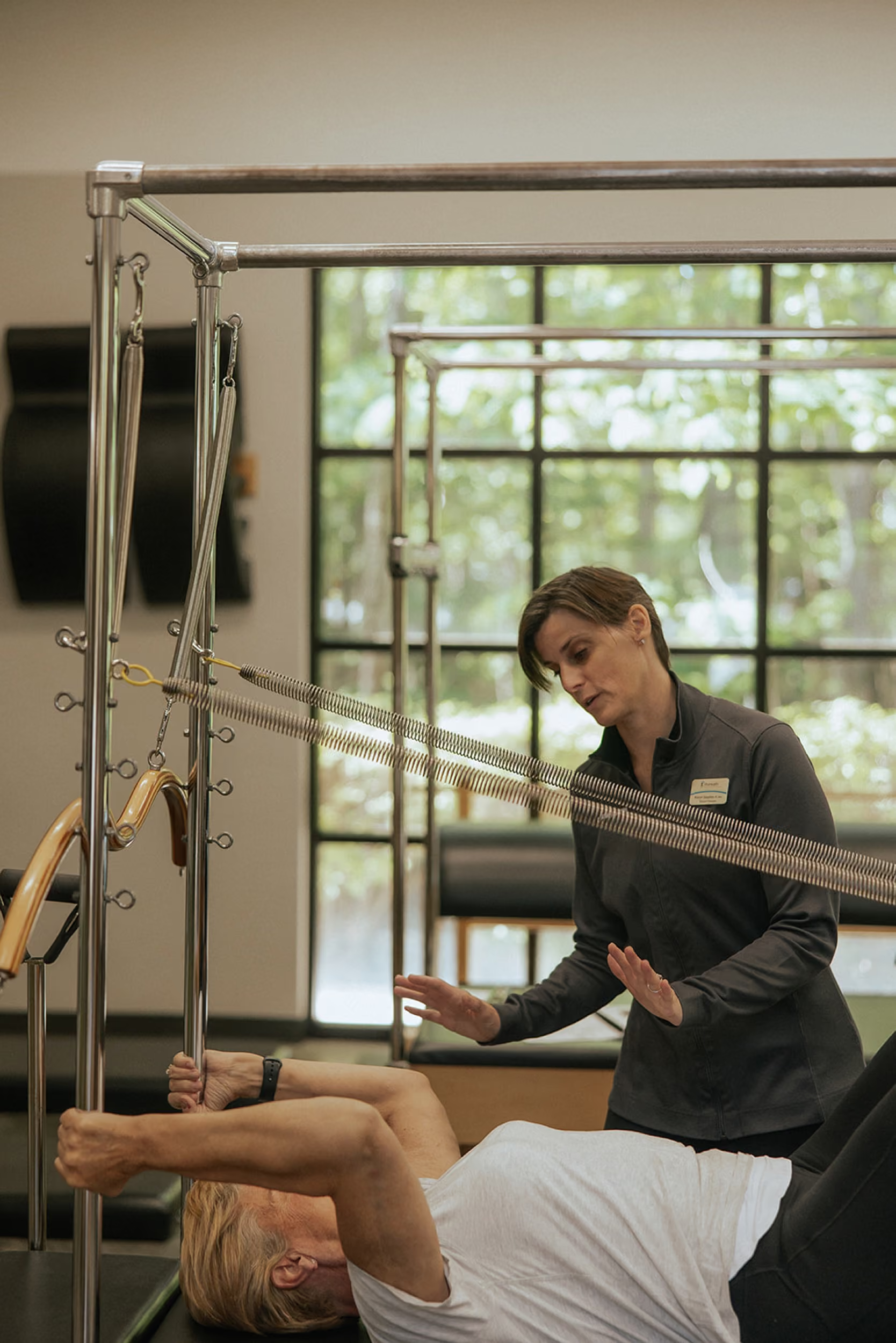
Functional movement work is appropriate for a wide range of patients:
Active adults with recurring pain that won't go away with rest
Runners, golfers, cyclists, and tennis players with performance limitations
Patients recovering from orthopedic injury who want to return stronger
Office workers with posture-related pain (neck, mid-back, hips)
Seniors working on balance, stair confidence, and fall prevention
Anyone who has been told "nothing is wrong" but knows something is off
Conditions We Treat With Functional Movement
Functional movement therapy is part of how we treat a range of conditions:
Arthritis
Auto Accident Injury
Back Pain & Sciatica
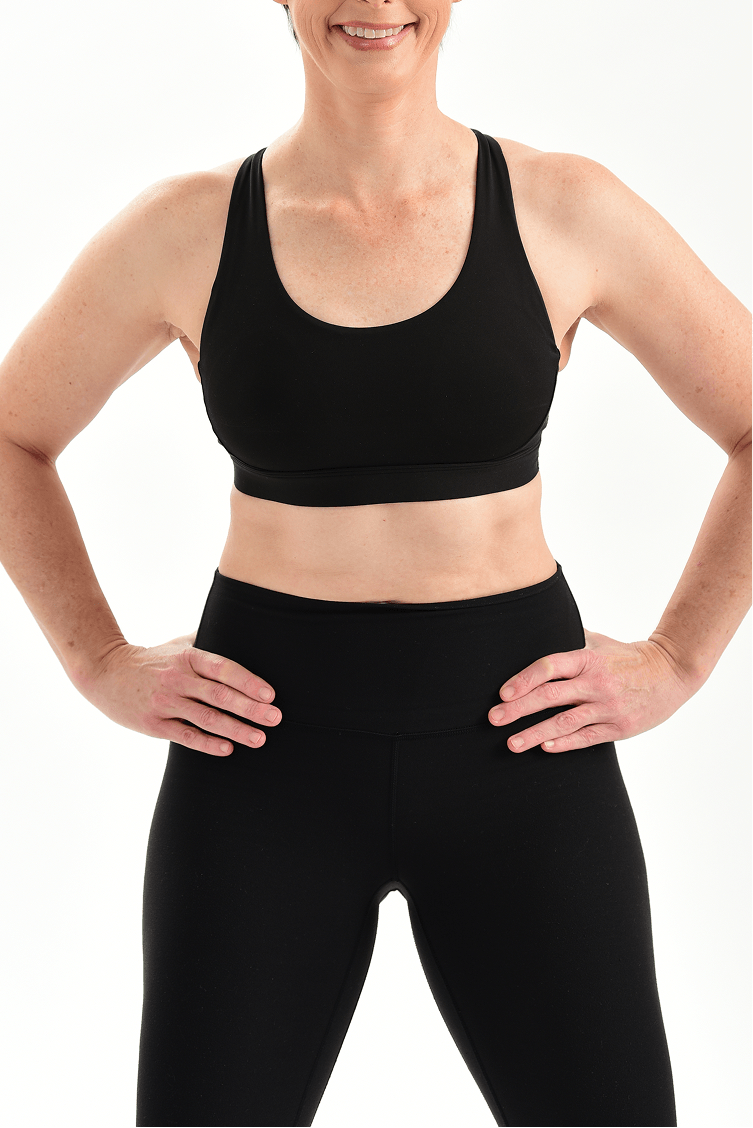
Balance and Gait Disorders
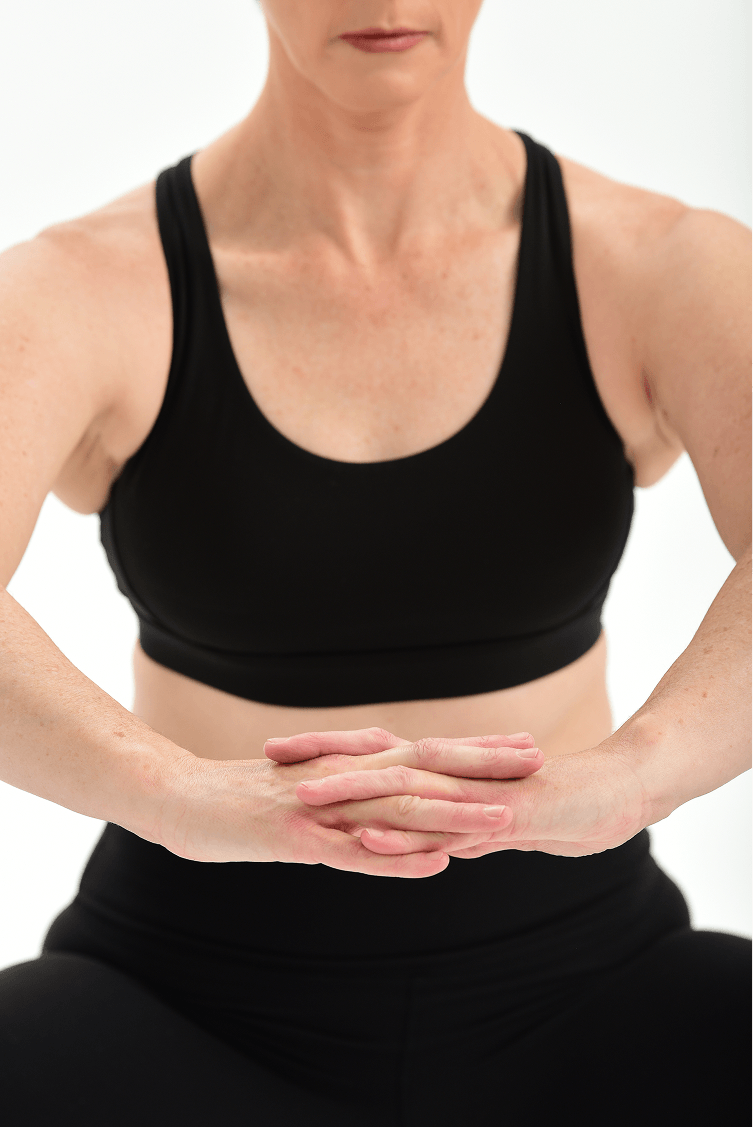
Chronic Pain
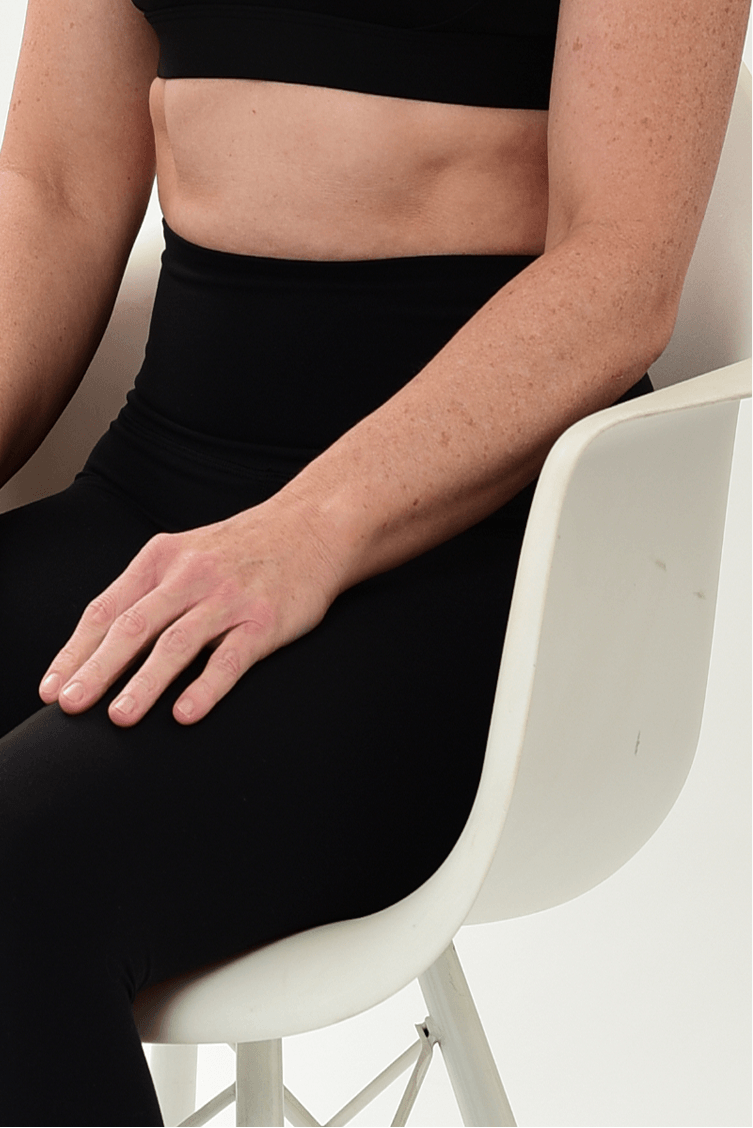
Elbow, Wrist Pain
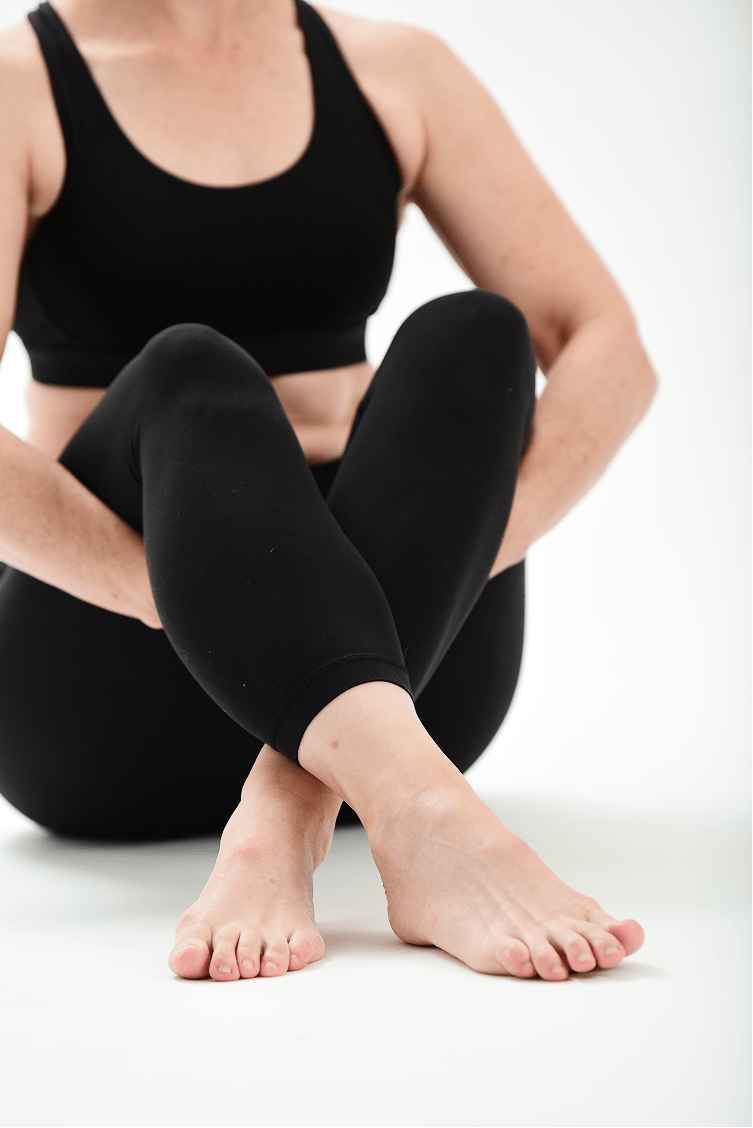
Foot and Ankle Pain
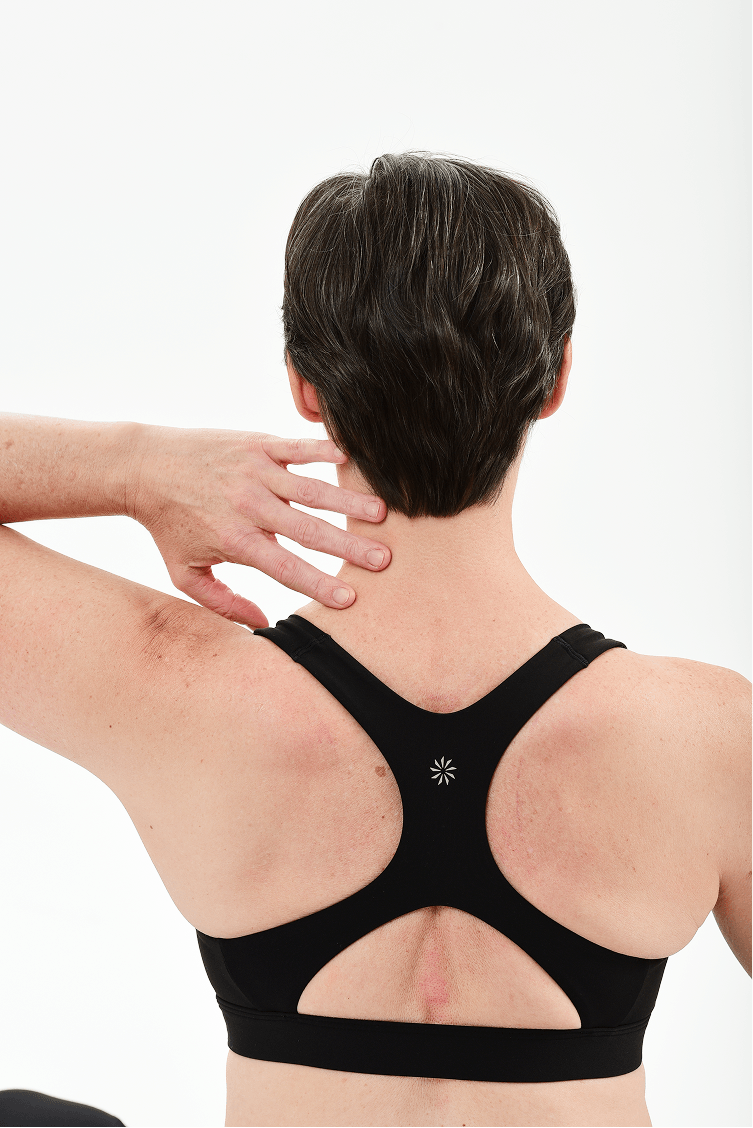
Headaches & Migraines
Hip and Knee Pain
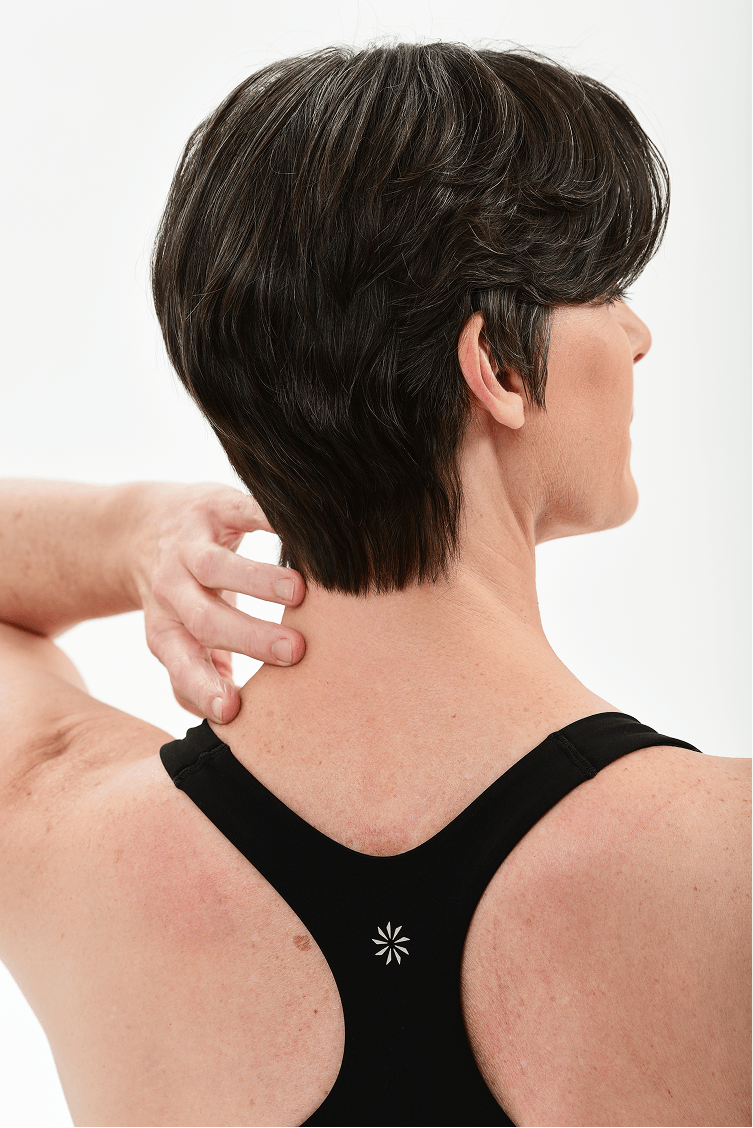
Neck Pain
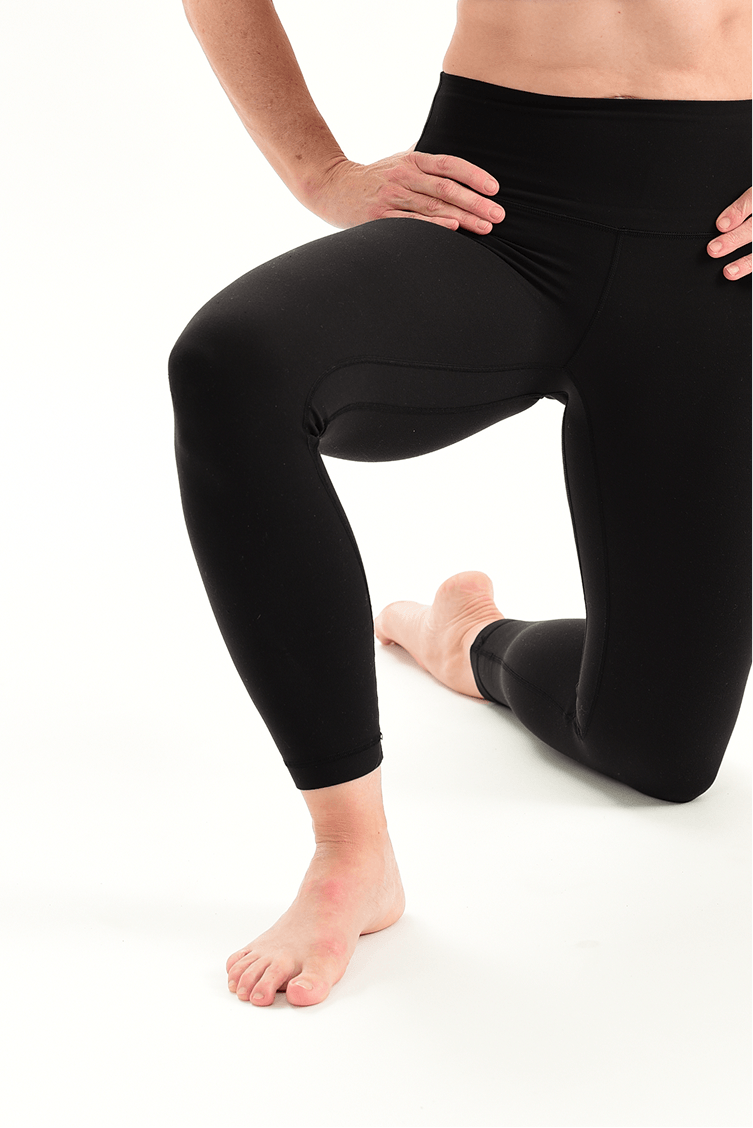
Pelvic Floor
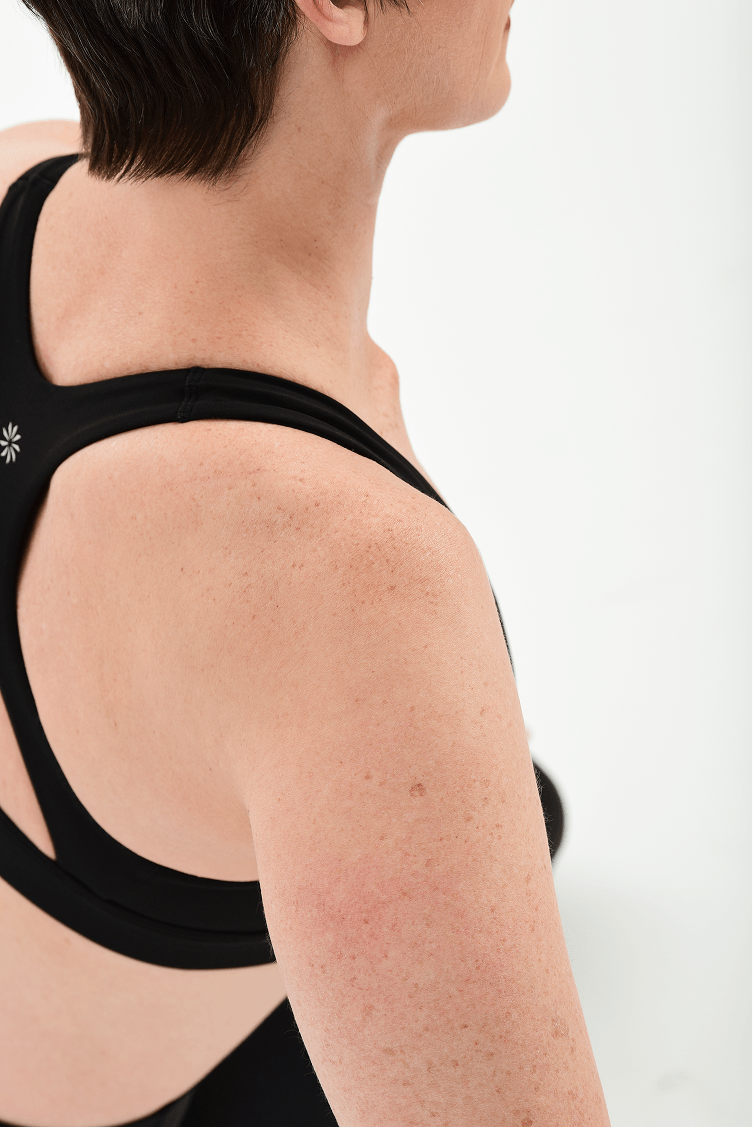
Shoulder pain

Sports Injury
Stress Fractures
Vertigo & Dizziness

Work Injury
What Makes ProHealth Different
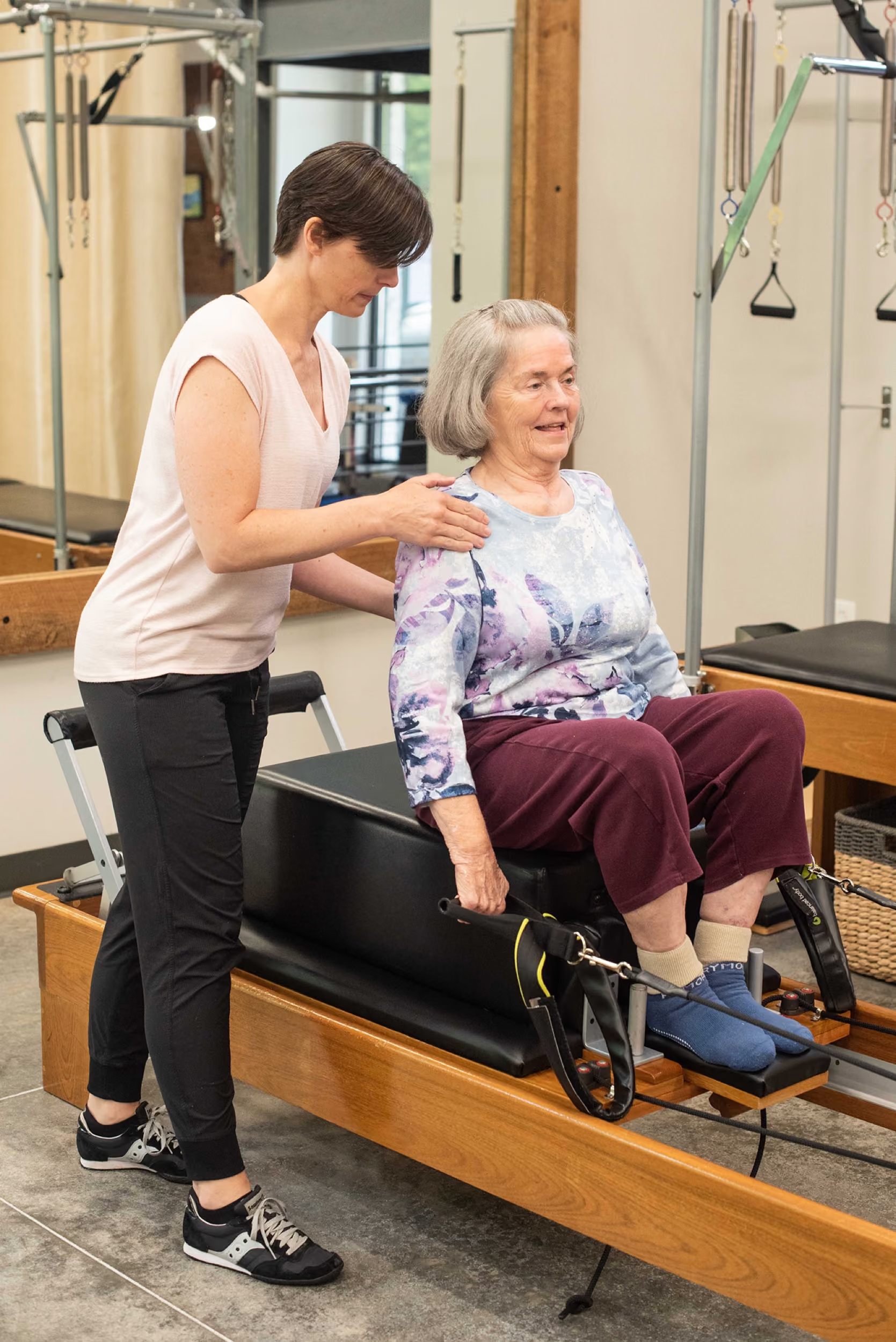
At ProHealth, your licensed clinician performs the full assessment, interprets it with you in real time, and delivers the treatment plan start to finish. No handoffs, no rushed evaluations.
Every ProHealth physical therapist and PTA is trained in Polestar® Pilates by Dr. Karyn Staples. That training gives our team a movement-based lens that most PT practices don't have, and it's the foundation of how we approach functional movement work specifically.
Explore Other Services
Every treatment plan is built around your specific diagnosis, history, and goals. Your clinician will recommend the right combination of these services based on your evaluation.
Frequently Asked Questions
Functional movement therapy trains the patterns you use in daily life: squatting, reaching, lifting, walking. ProHealth assesses how you move, finds the breakdowns, and rebuilds strength, mobility, and coordination so everyday motion feels easier and more stable.
It helps anyone recovering from injury, returning to sport, or struggling with everyday tasks like climbing stairs or carrying groceries. Older adults use it to maintain independence; athletes use it to move more efficiently. Your evaluation sets the starting point.
Most plans run one to three sessions per week, set by your goals and assessment results. Frequency tapers as your movement improves and you take more of the work into a home program.
No. Many of our clients use functional movement assessment to improve performance, prevent injury, or prepare for a specific goal. Active aging is one of the most effective applications.
Most patients see changes within 3 to 6 visits, typically scheduled once or twice per week. Durable change, meaning the patterns hold up under stress and real-life demand, usually takes 6 to 12 weeks of consistent work.
The FMS is one specific assessment tool. Our clinicians are familiar with it and may use elements of it. But we don't limit ourselves to one screen. Your assessment is built around what you're presenting with.
Yes. The work scales from children through older adults by adjusting difficulty, load, and pace. ProHealth tailors each program to the person rather than the age on the chart.
Your clinician watches you move through specific patterns, identifies where strength, mobility, or control falls short, then guides corrective exercises. Sessions are hands-on and active, and you leave knowing what to practice between visits.
Wear clothing you can move in and bring any relevant medical history or imaging. Eat lightly beforehand and arrive ready to move. Your clinician guides the rest.
Sessions usually run 30-40 minutes, one-on-one with your clinician. That time covers reassessment, hands-on work, and the corrective exercises you will carry into your home program.
Feel Better. Be Better. Perform Better.
Book your movement evaluation today.