5 Pilates Exercises To Do Before Bed
By Tamara Newell
April 2025
Pilates is a great way to wind down before bed, helping to release muscle tension and calm the
mind. Controlled breathing and mindful movement can help promote relaxation and flexibility. By
incorporating a few Pilates exercises, like Child’s Pose and the Cat Cow stretch, you can ease
stress and prepare your body for a restful night’s sleep. Try these calming moves to help you
relax and unwind before bed.
How to Improve Sleep with Pilates
Pilates before bed can create a calming routine that relaxes both your body and mind. Pilates
emphasizes breath control, which can help lower stress levels and promote relaxation.
Practicing deep breathing exercises, that release muscle tension, may trigger your body's
parasympathetic nervous system. In doing this, it may help reduce anxiety and induce a more
restful state.
Pilates before sleep should focus on slow, controlled movements with deep breaths. This helps
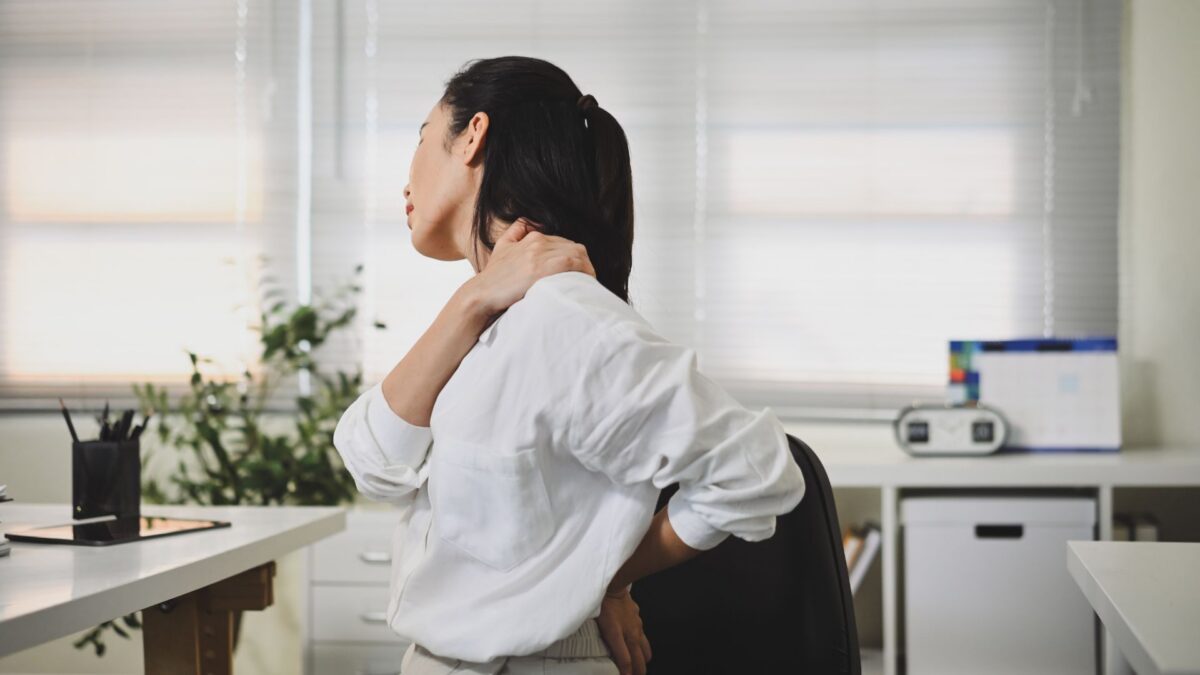
release muscle tension, particularly in areas prone to tightness like the back, neck and
shoulders. Pilates helps improve posture, which may reduce back pain that interferes with
sleep.
Additionally, Pilates can improve the quality of sleep by promoting a balanced body. Through
gentle stretches and strengthening exercises, Pilates enhances flexibility and circulation. This
ensures the muscles and joints are well-aligned. Pilates emphasizes core strength, which helps
reduce strain on the lower back. Less back pain makes it easier to relax into a comfortable
sleeping position.
By integrating a short Pilates session before bed—focused on relaxation and stretching—you
can prepare your body for a deep, restorative sleep. This combination of movement and
mindfulness encourages both physical and mental relaxation. With consistent practice, you'll likely get improved sleep overtime.
What nighttime stretches are best before bed?
Nighttime stretches are a great way to unwind and prepare your body for a restful sleep. Some
of the best stretches to do before bed include gentle, restorative movements that target
common areas of tension. Cat/ Cow stretch is a great choice for those who are able to kneel
and put pressure on their knees. It can open the spine and release pressure on the neck and
back. Child’s pose is accessible to most people and releases spinal and hip pressure from
sitting for extended periods of time.
5 Relaxing Pilates Moves
- Child's Pose
● Start on your hands and knees in a tabletop position.
Sit back onto your heels, extending your arms out in front of you or resting them by your
sides.
● Allow your forehead to rest on the mat, breathing deeply into your back and hips.
● Hold for 30 seconds to 1 minute, focusing on deep breathing and releasing tension. - Spinal Twist (Seated)
● Sit tall with your legs extended straight out in front of you.
● Cross your right leg over your left, placing your right foot on the floor next to your left
knee.
● Inhale as you lengthen your spine, then exhale and twist your torso to the right, bringing
your left elbow to the outside of your right knee.
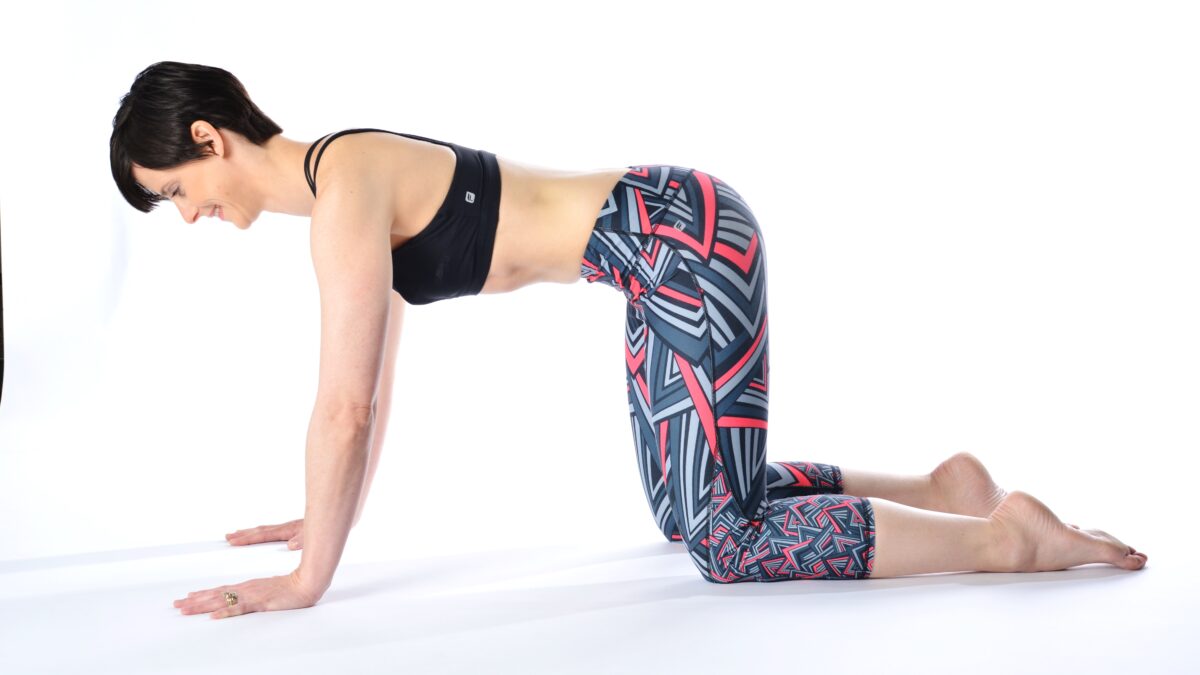
● Hold the twist for 20–30 seconds, breathing deeply, and repeat on the other side. - Cat-Cow Stretch
● Begin on your hands and knees in a tabletop position with your wrists aligned under your
shoulders and knees under your hips.
● Inhale as you arch your back, dropping your belly toward the mat and lifting your head
and tailbone (Cow Pose).
● Exhale as you round your spine, tucking your chin toward your chest and drawing your
belly button toward your spine (Cat Pose).
● Repeat this fluid motion for 5–10 breaths. Move slowly and focus on the gentle release
of tension. - Bridge Pose
● Lie on your back with your knees bent and feet flat on the mat, hip-width apart.
● Place your arms by your sides, palms facing down.
● Inhale as you lift your hips toward the ceiling. Pressing through your feet and squeezing
your glutes.
● Keep your shoulders relaxed on the mat. Your body should be in a straight line from
shoulders to knees at the top of the bridge.
● Hold for 5-10 seconds, then lower your hips back down with control.
● Repeat for 5-8 reps, focusing on deep, steady breathing. - Legs Up the Wall
● Sit with your left side against a wall and lie down on your back as you swing your legs up
the wall.
● Position hips as close to the wall as is comfortable for you. Legs extended and resting
against the wall.
● Relax your arms by your sides with palms facing upward.
● Focus on deep breathing and allow your legs to relax. Feel a gentle stretch in your
hamstrings and lower back.
● Hold this position for 3-5 minutes. Allow your body to relax and release tension.
Pilates for Sleep - 3 Tips
● Focus on Breathing Techniques: Incorporate deep, controlled breathing during your
Pilates practice to activate the parasympathetic nervous system, helping to reduce
stress and calm the mind before bed.
● Incorporate Gentle Stretches: Focus on relaxing stretches that target common areas of
tension, such as the back, shoulders, and hips, to release muscle tightness and promote
relaxation for a more restful sleep.
● End with Restorative Poses: Finish your Pilates session with slow, restorative poses
like Child’s Pose or the Supine Twist to encourage full-body relaxation and ease into a
peaceful sleep.
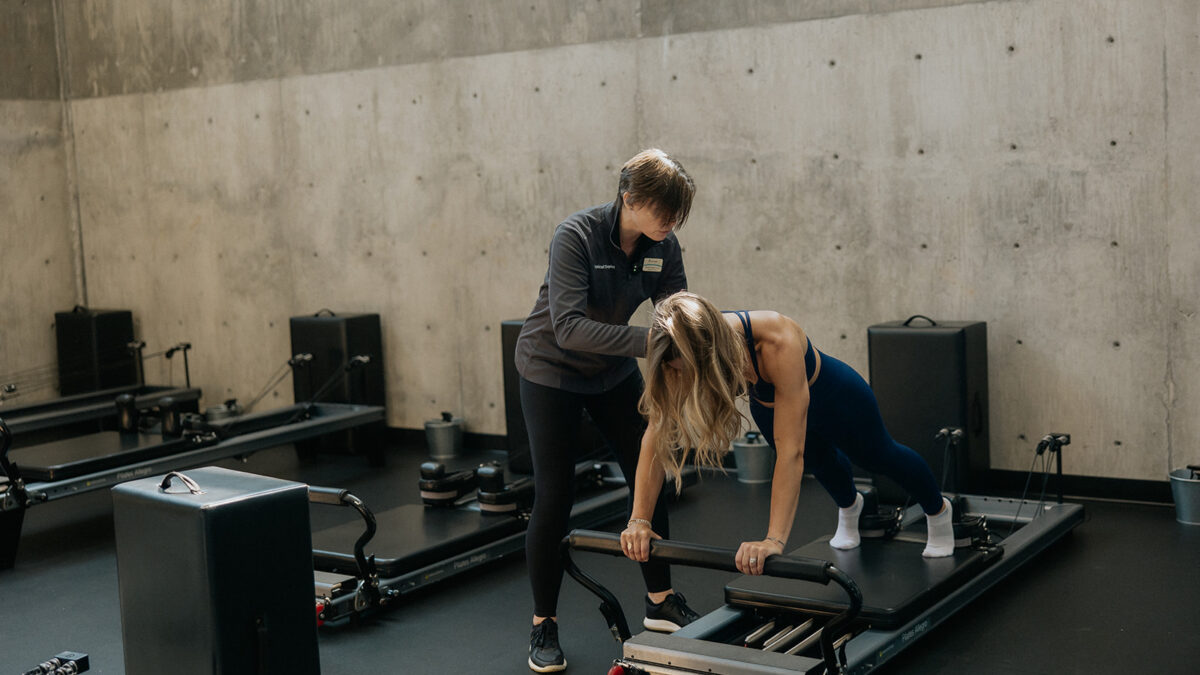
If sleep is less than restful for you, Pilates may be the key to a full night's sleep. ProHealth
Physical Therapy and Pilates in Peachtree City, GA has classes in person and online to help
you get started.
Join Our Wellness Community
Get expert health content from our clinicians, delivered monthly.
No spam. Unsubscribe anytime.